Water, Dust, and Impact Resistance – Rugged Durability for Extreme Environments
In industries ranging from aerial robotics to industrial inspections, water, dust, and impact resistance are non-negotiable benchmarks for equipment reliability. Devices operating in deserts, construction sites, or disaster zones must withstand abrasive particles, sudden collisions, and moisture ingress without compromising functionality. This article explores the technologies and design principles that empower modern tools to conquer these challenges, ensuring seamless performance where traditional solutions fail.
thrust
1. Defying the Elements: Multi-Layered Protection Systems
To achieve robust environmental resilience, manufacturers integrate three core safeguards:
IP Ratings: The Gold Standard for Sealing The International Protection (IP) code quantifies a device’s defense against solids and liquids. For instance, IP67-certified equipment is fully dustproof and survives immersion in 1-meter-deep water for 30 minutes, ideal for flood monitoring or marine inspections. Higher-tier IP68 and IP69K ratings extend protection to prolonged submersion and high-pressure jets, critical for offshore oil rigs or firefighting drones.
Impact-Resistant Materials and Structural Design Abrasion-prone components, such as battery casings or camera mounts, often use reinforced polymers or magnesium alloys. These materials absorb kinetic energy while minimizing weight—a balance exemplified by shock-absorbing honeycomb structures in drone frames. Additionally, rubberized coatings and internal damping systems isolate sensitive electronics from vibrations during transport or rough landings.
Dynamic Sealing Solutions Advanced gaskets and epoxy resin seals prevent microscopic particles from infiltrating joints or ports. For thermal management, breathable membranes allow heat dissipation while blocking water and dust—a technology borrowed from aerospace engineering. Such innovations ensure devices like handheld thermal scanners remain operational in sandstorms or heavy rainfall.
2. Real-World Applications: From Deserts to Disaster Zones
The fusion of these technologies unlocks transformative capabilities:
• Agriculture: Sprayer drones with IP66-rated components resist pesticide corrosion and dust during low-altitude crop treatments.
• Search and Rescue: Thermal cameras with MIL-STD-810G impact certification endure drops onto rocky terrain while maintaining image clarity.
• Energy Infrastructure: Inspection robots use hydrophobic coatings to prevent moisture damage during offshore wind turbine audits.
Case studies reveal that equipment with multi-hazard resistance reduces downtime by up to 40% in mining operations and extends service life by 3–5 years in coastal environments.
3. Beyond Compliance: Prolonging Performance in Adverse Conditions
Best practices for maximizing durability include:
• Pre-Deployment Checks: Calibrate seals after extreme temperature shifts to prevent material fatigue.
• Post-Mission Care: Clean vents and connectors with anti-static brushes to remove abrasive residues.
• Storage Protocols: Use silica gel packs in equipment cases to mitigate humidity damage during monsoons.
Emerging trends like self-healing polymers and AI-driven predictive maintenance further minimize failure risks. For example, sensors now detect seal degradation in real time, alerting users before leaks occur.
Conclusion
Water, dust, and impact resistance redefine what’s possible in hostile environments. By combining rigorous certifications like IP68 with adaptive materials science, modern engineering ensures tools not only survive but excel where others falter. As industries push into harsher frontiers—from Arctic pipelines to volcanic research—these advancements will remain pivotal in bridging reliability gaps and driving operational excellence.
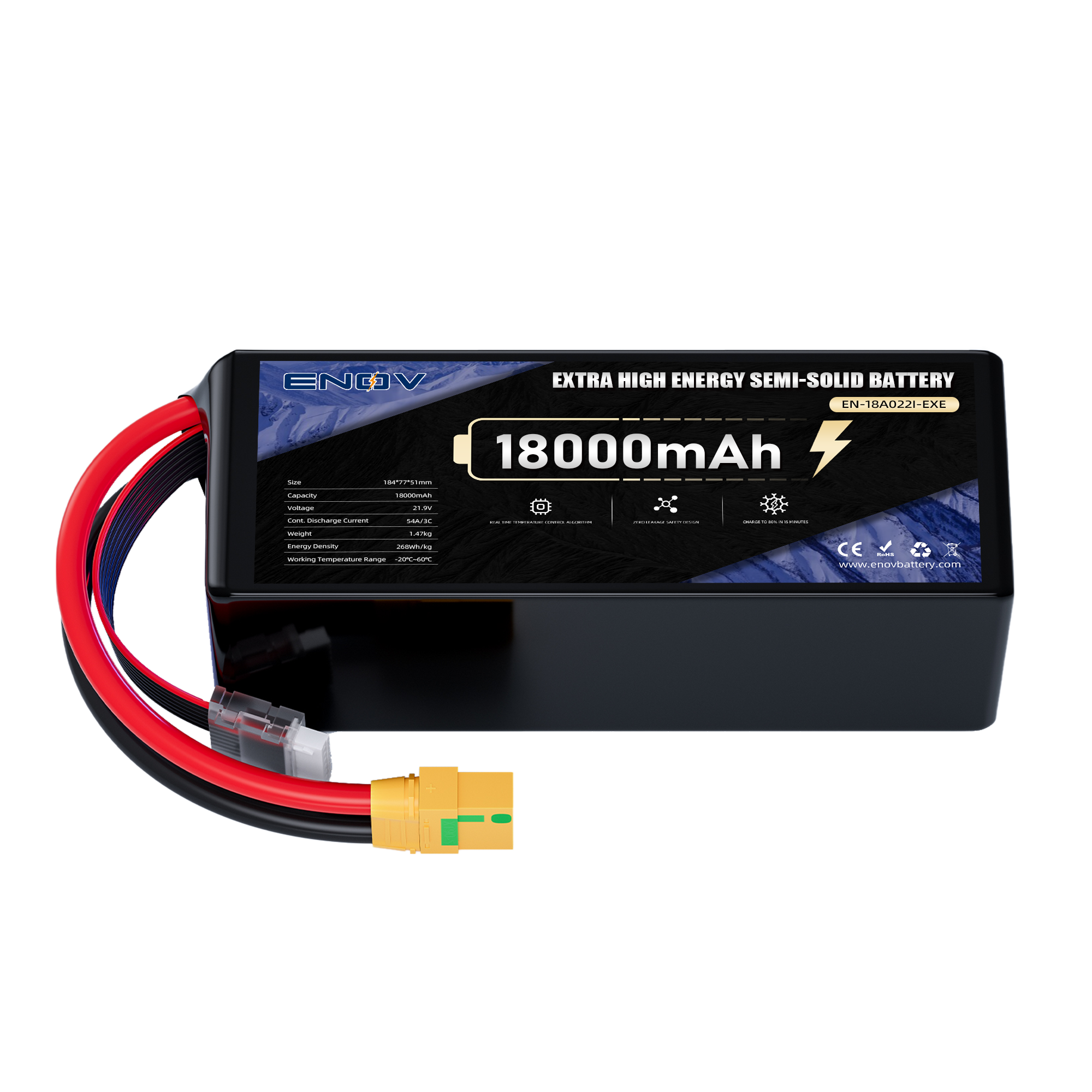
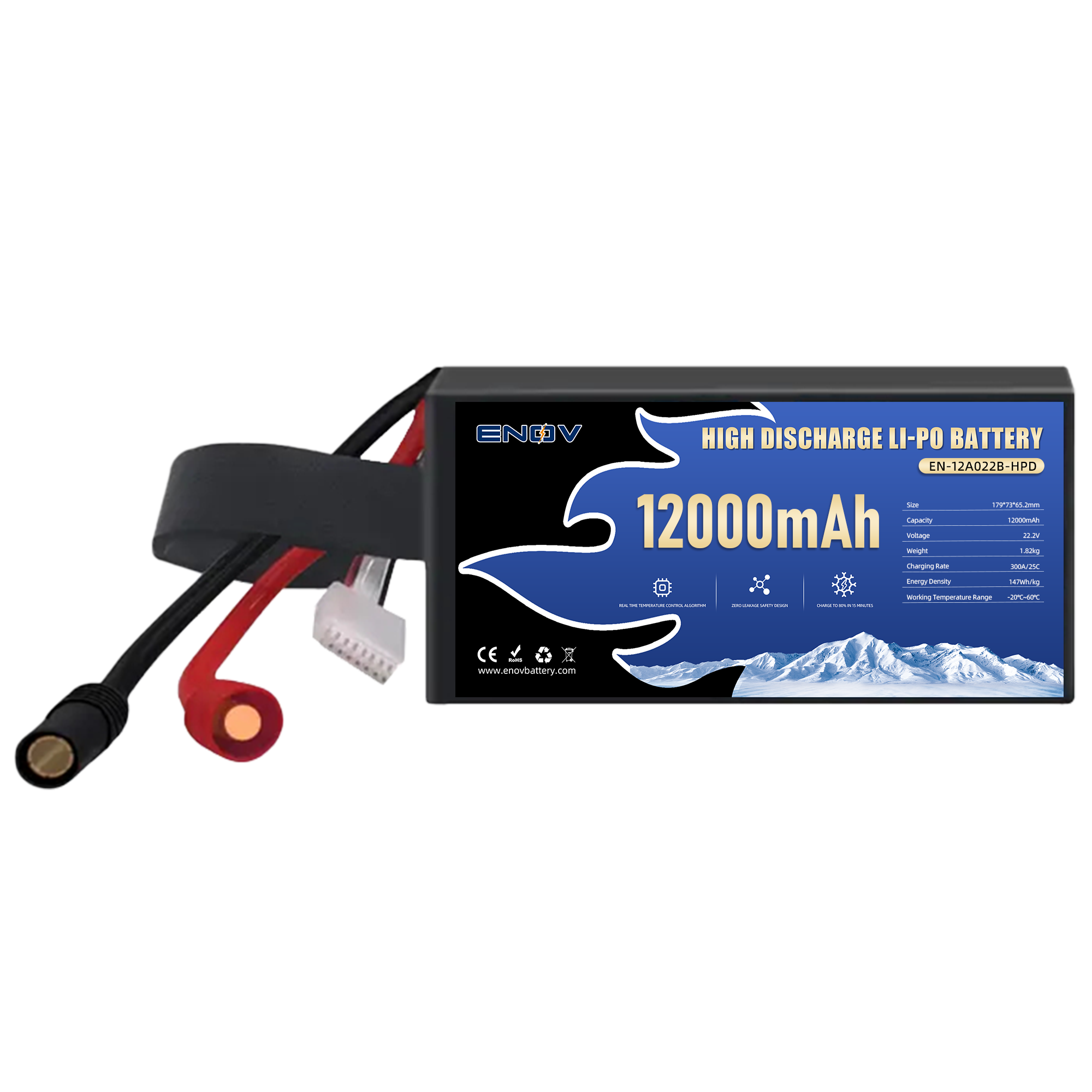
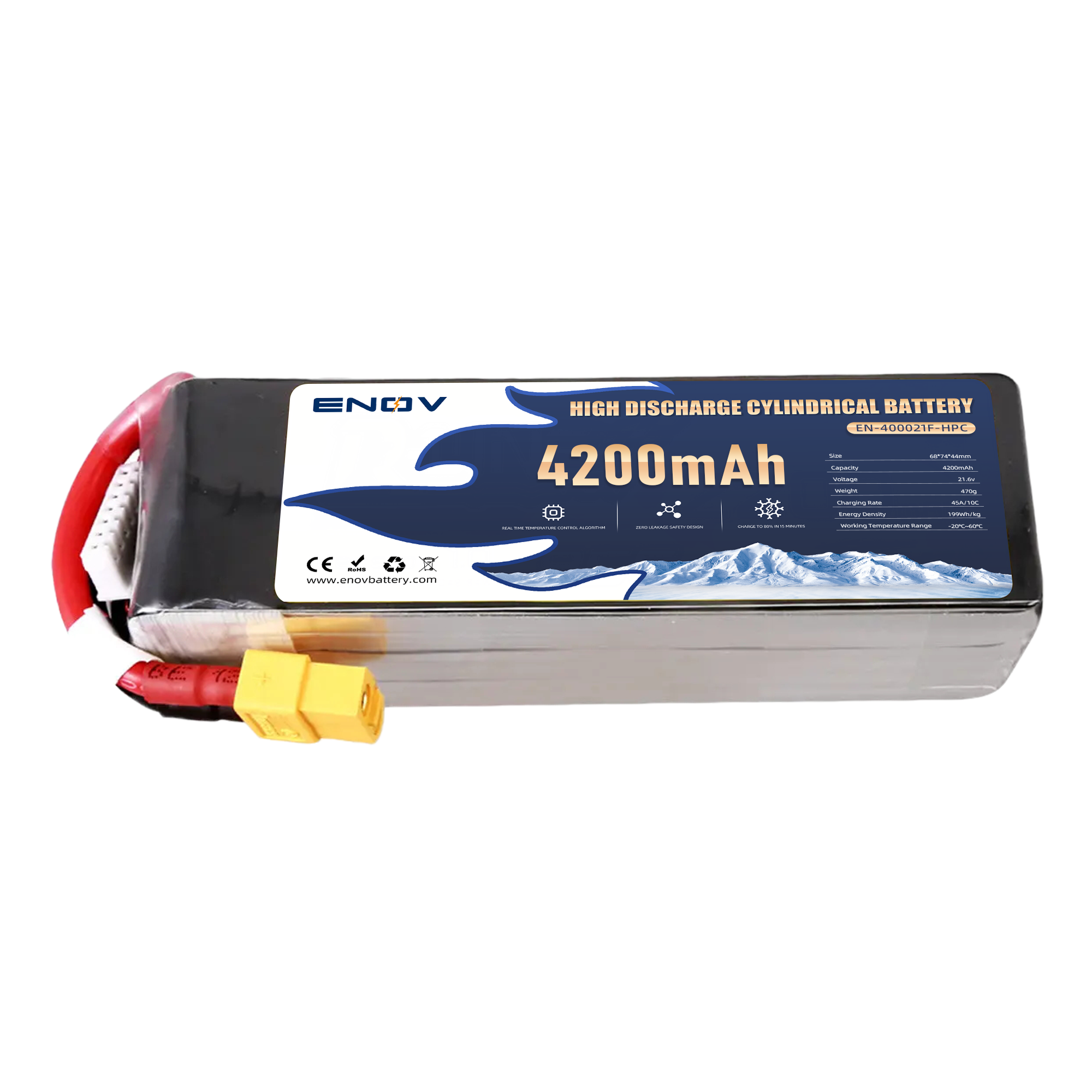
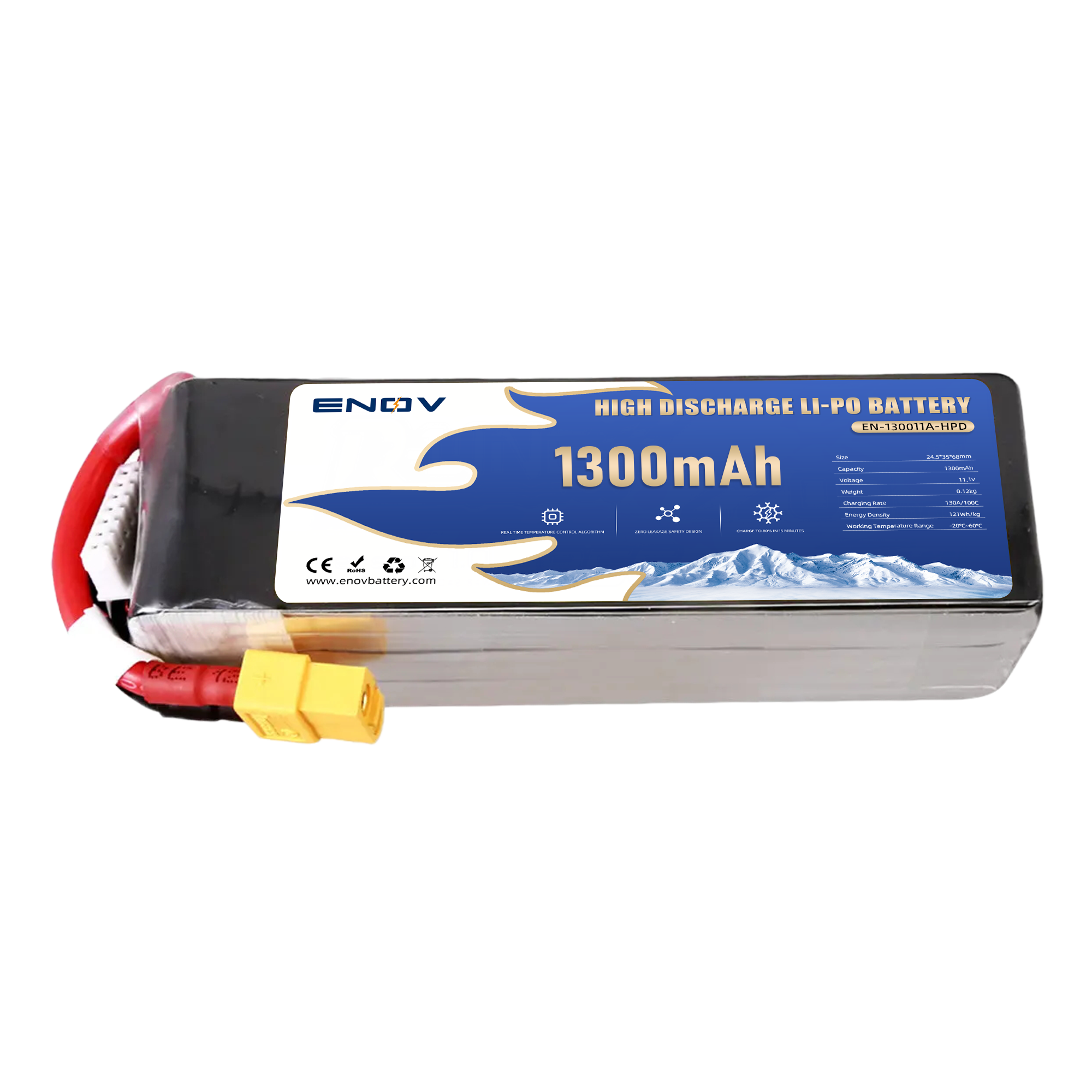
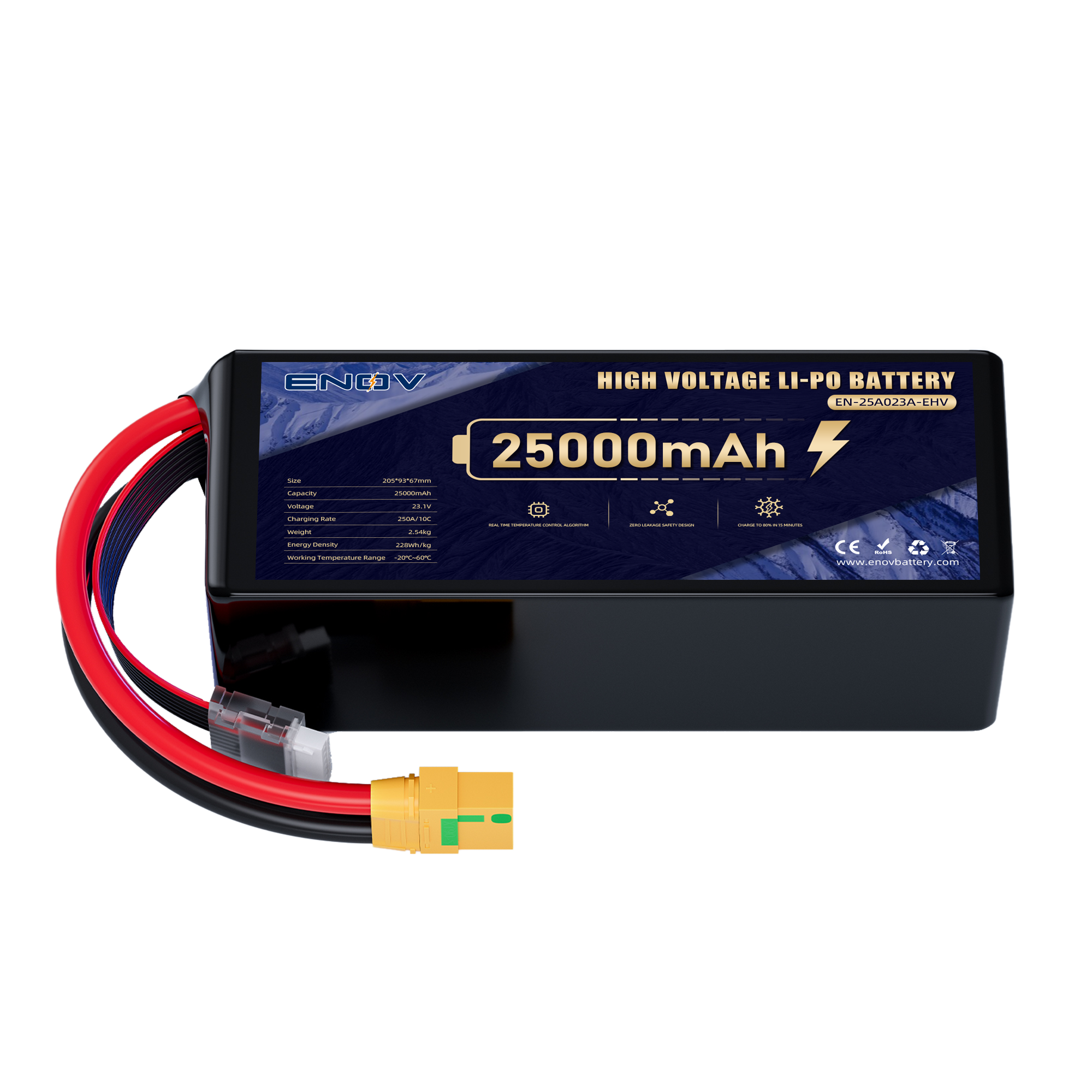
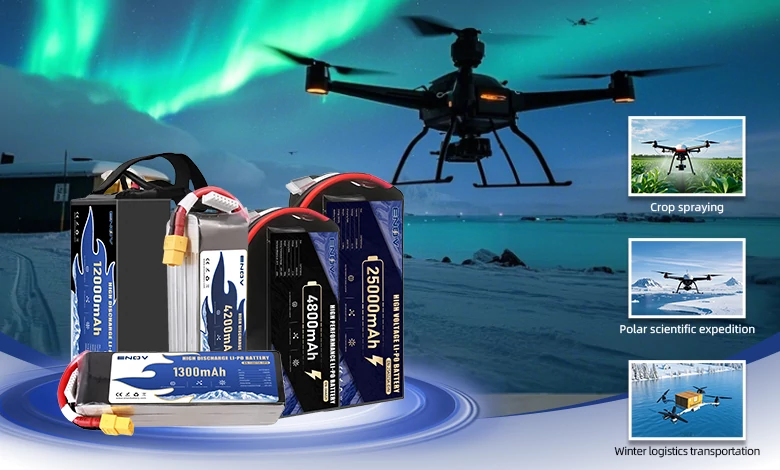
Enov UAV battery has the most advanced UAV battery new technology, it has a lightweight structural design, ultra-high energy density, stable continuous discharge, customized ultra-high instantaneous discharge, wide temperature working range, stable charge and discharge, battery materials can choose high nickel terpolymer positive/silicon carbon negative material system combined with semi-solid battery technology. Or choose a more mature application of more UAV lithium battery technology, available UAV battery nominal voltage 3.7V, capacity 18.0Ah ~ 30.0Ah, support 10C continuous discharge and 120C pulse discharge (3 seconds). With ultra-high energy density (220-300Wh/kg) as its core advantage, Enov UAV batteries can meet the needs of long-term endurance scenarios such as plant protection drones and transport drones, while maintaining stable emission performance in extremely low temperature environments (-40℃).
Access to high frequency technical questions with one click, get accurate answers on product application, after-sales policy and customization process.
Get the latest product specifications, explore professional OEM/ODM customization services, click to open exclusive technical support and production solutions.