Renewable Energy Synergy: Charging Drone Batteries with Nature’s Power
In the quest for sustainable aviation, renewable energy synergy is revolutionizing how drones are powered by integrating solar, wind, and hydrogen energy into charging ecosystems. This approach not only slashes carbon emissions but also enhances operational resilience in off-grid environments. This article explores how harmonizing renewable energy sources with drone battery systems creates cleaner, more efficient workflows for industries like agriculture, logistics, and environmental monitoring.
thrust
1. Solar Energy: Harnessing Sunlight for Infinite Flights
Solar power is a cornerstone of renewable energy synergy for drones:
• Integrated Solar Panels: Thin-film photovoltaic cells on drone wings recharge batteries mid-flight, extending mission times by 15–20%.
• Solar Charging Stations: Field-deployable stations with foldable panels replenish packs in 30–60 minutes, ideal for remote agricultural inspections.
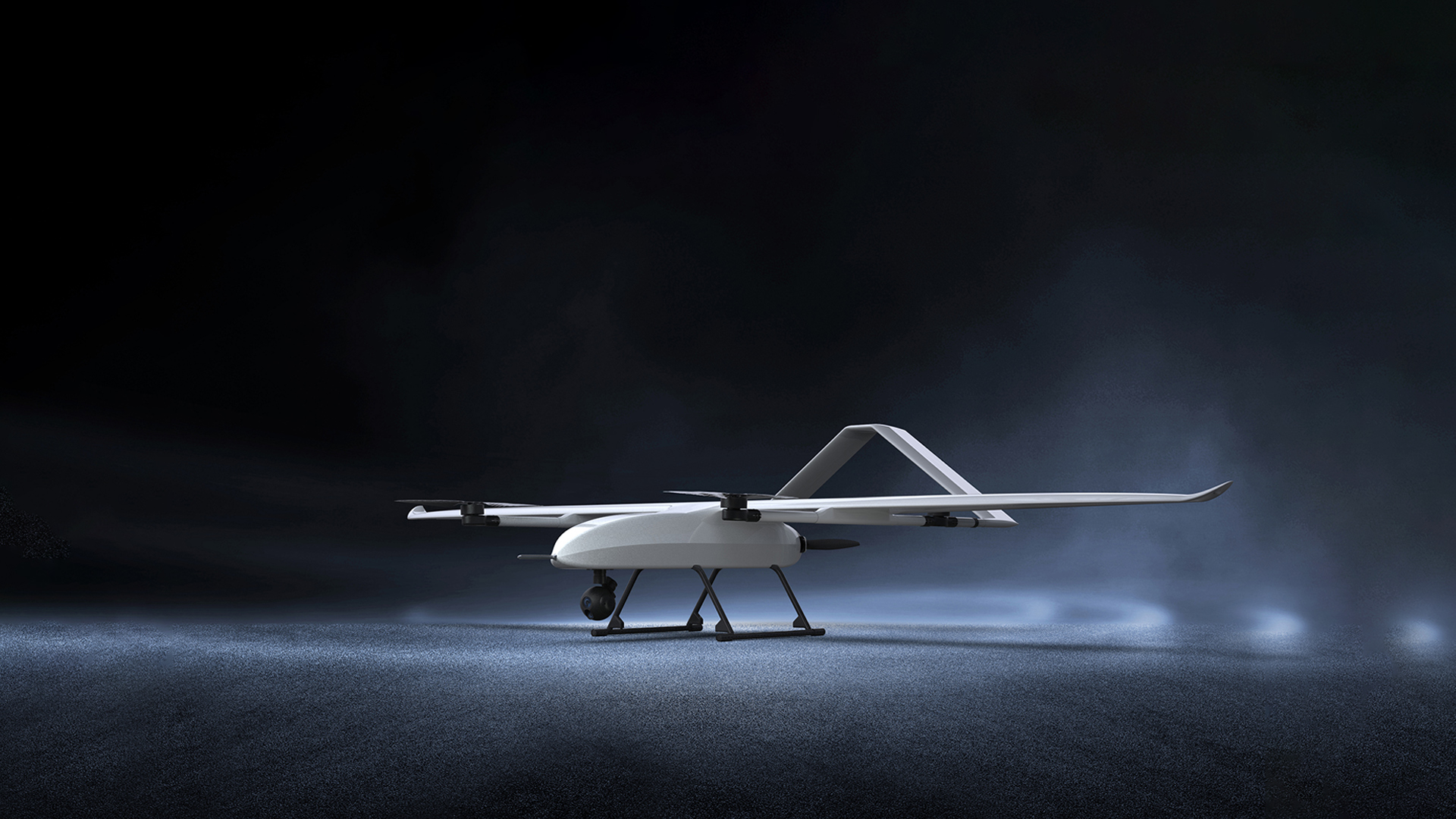
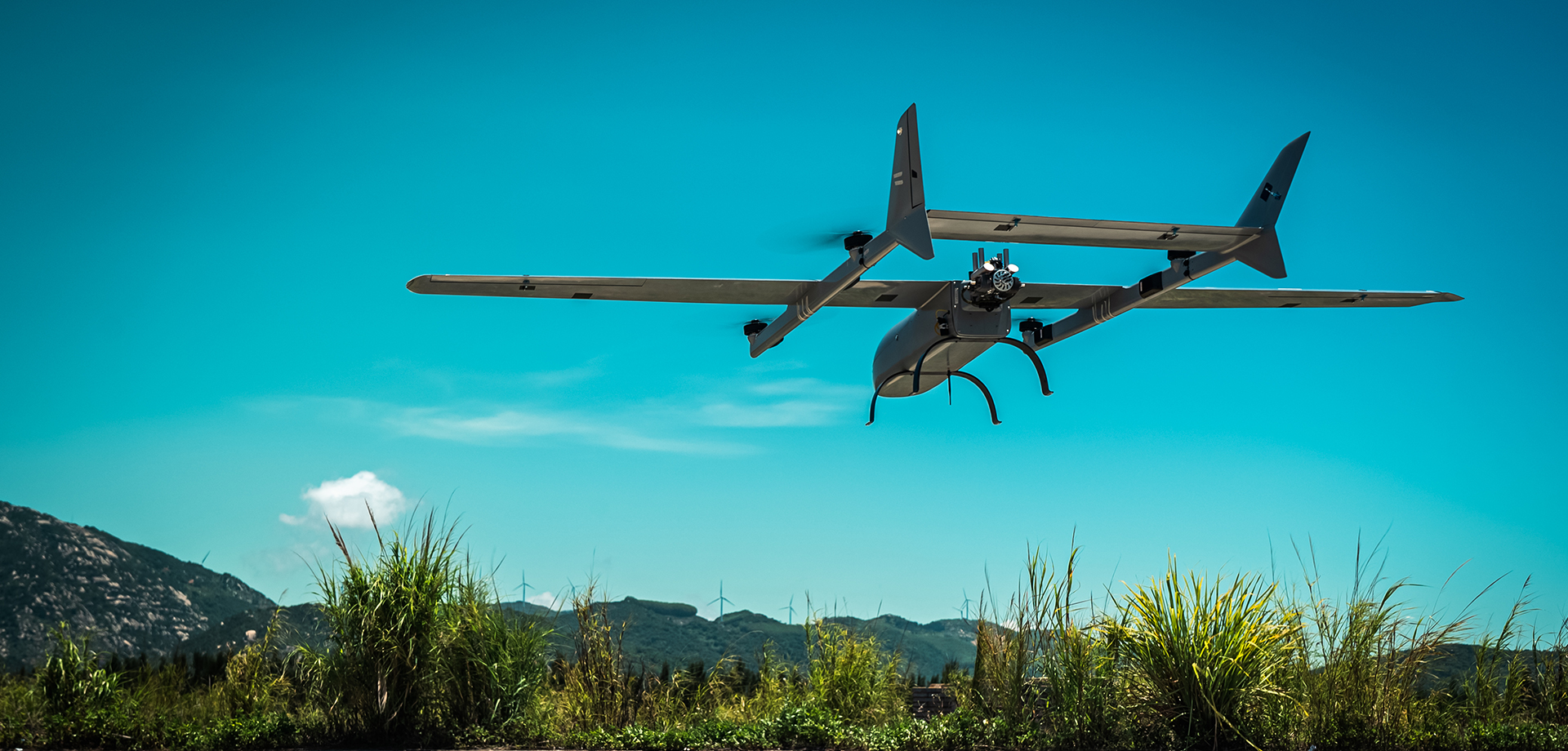
• Hybrid Solar-Battery Systems: Drones like the SolarXplorer combine LiPo batteries with solar cells to achieve 8-hour flight times for mapping deserts.
For example, solar-assisted drones inspecting wind farms reduce reliance on diesel generators by 90%.
2. Wind Energy: Powering Drones in Gusty Frontiers
Wind energy complements solar in regions with inconsistent sunlight:
• Micro Wind Turbines: Portable turbines charge drone batteries during storms or nighttime operations, ensuring 24/7 readiness.
• Offshore Charging Hubs: Wind-powered docking stations on oil rigs or buoys recharge maritime inspection drones autonomously.
• AI-Optimized Charging: Algorithms align charging schedules with peak wind hours, maximizing energy harvest from gusty conditions.
Case studies show wind-synergized systems cut offshore inspection costs by 40% while eliminating emissions.
3. Hydrogen Fuel Cells: Zero-Emission Endurance
Hydrogen energy offers high-density, emission-free power:
• Compact Hydrogen Packs: Fuel cells provide 3x the energy density of LiPo, enabling 12-hour flights for emergency medical deliveries.
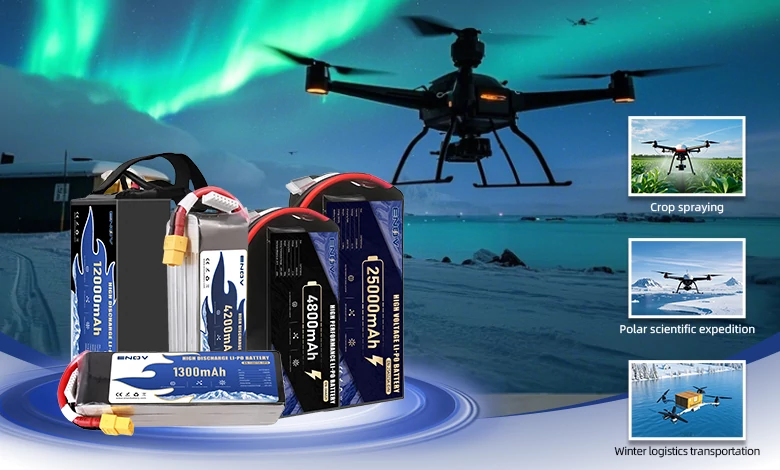
• Cold-Weather Efficiency: Hydrogen systems outperform traditional batteries at -30°C, critical for Arctic research or winter logistics.
• Solar-Hydrogen Hybrids: Drones like H2Flyer use solar panels to electrolyze water into hydrogen, creating self-sustaining energy loops.
These innovations help drones achieve carbon-neutral operations in sectors like disaster response.
4. Industry Applications: Green Power in Action
Renewable energy synergy unlocks eco-friendly workflows:
• Precision Agriculture: Solar-powered drones monitor crop health and optimize irrigation, reducing water waste by 30%.
• Wildlife Conservation: Silent hydrogen drones track endangered species without disturbing ecosystems.
• Urban Air Mobility: Wind-assisted charging depots enable emission-free parcel delivery across smart cities.
5. Future Innovations: Smarter, Cleaner, Faster
Next-gen technologies will deepen renewable integration:
• Wireless Energy Transfer: Laser or microwave systems beam power to drones mid-flight, enabling infinite range.
• Algae Biofuels: Lab-grown algae generate clean energy for hybrid drones, blending sustainability with high performance.
• Blockchain Energy Grids: Decentralized networks let drones "purchase" renewable energy from local sources via smart contracts.
Conclusion
Renewable energy synergy transforms drones from carbon emitters into champions of sustainability. By marrying solar, wind, and hydrogen technologies with intelligent energy management, industries achieve greener operations without sacrificing efficiency. As renewable infrastructure expands, these solutions will redefine how drones interact with the planet—proving that innovation and ecology can soar hand in hand.
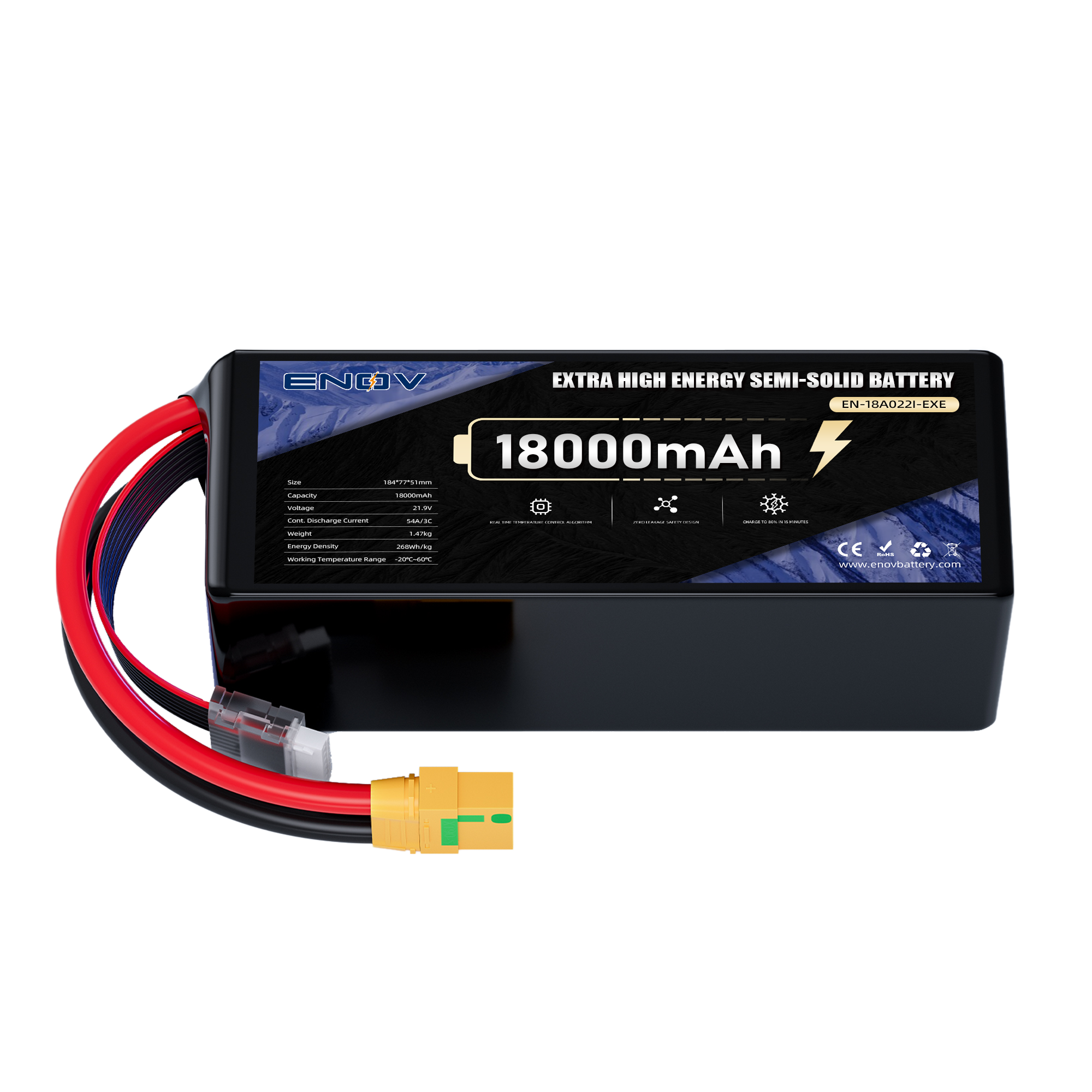
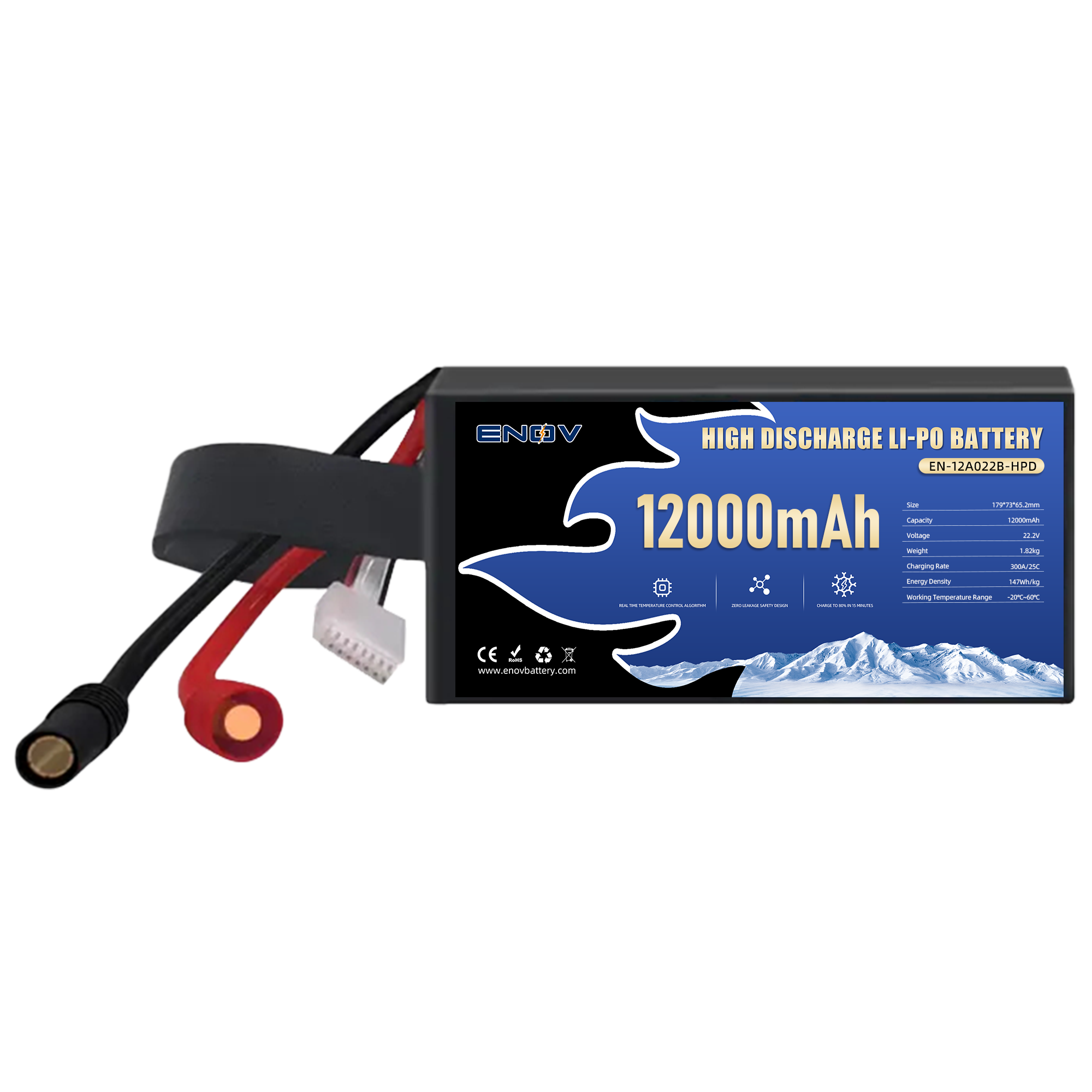
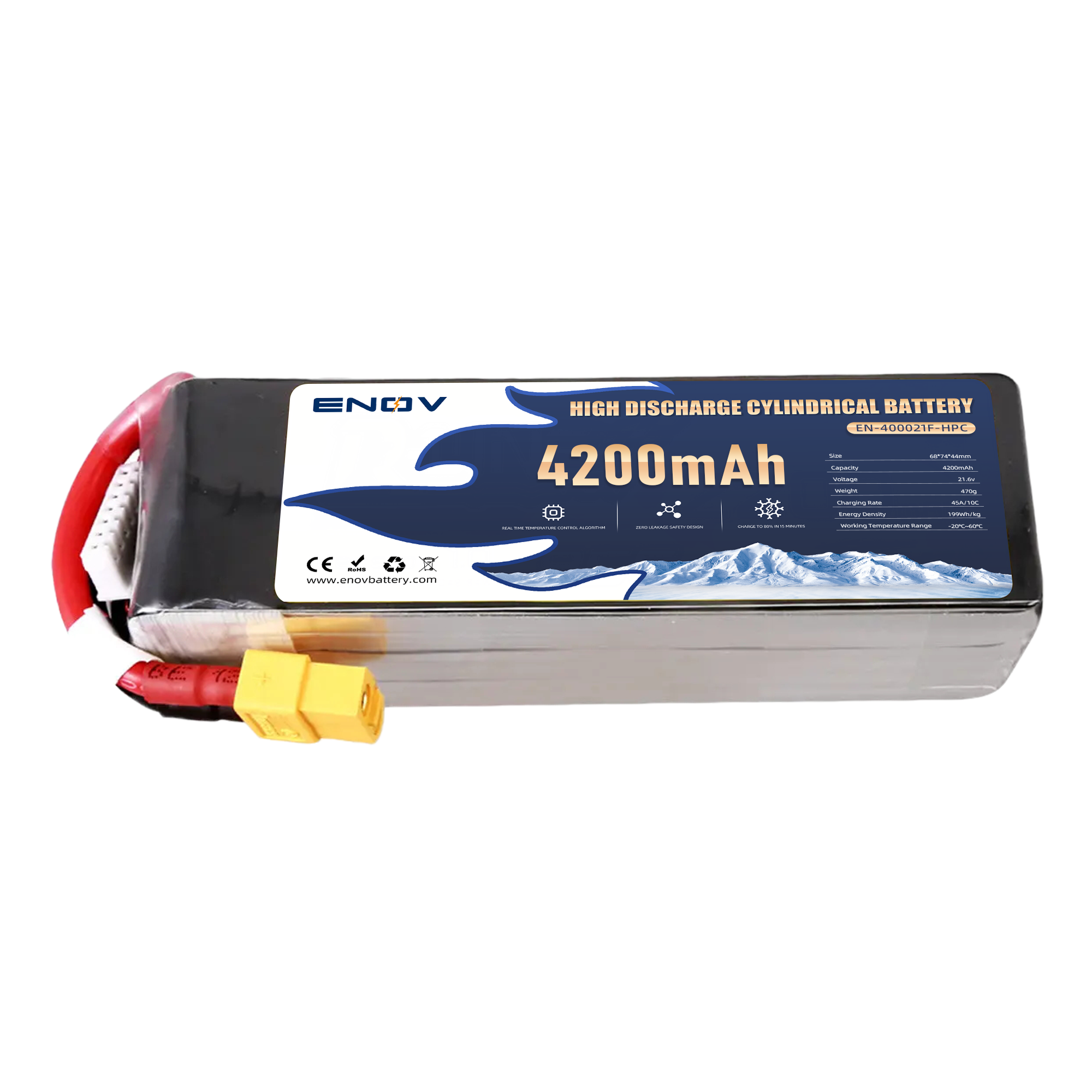
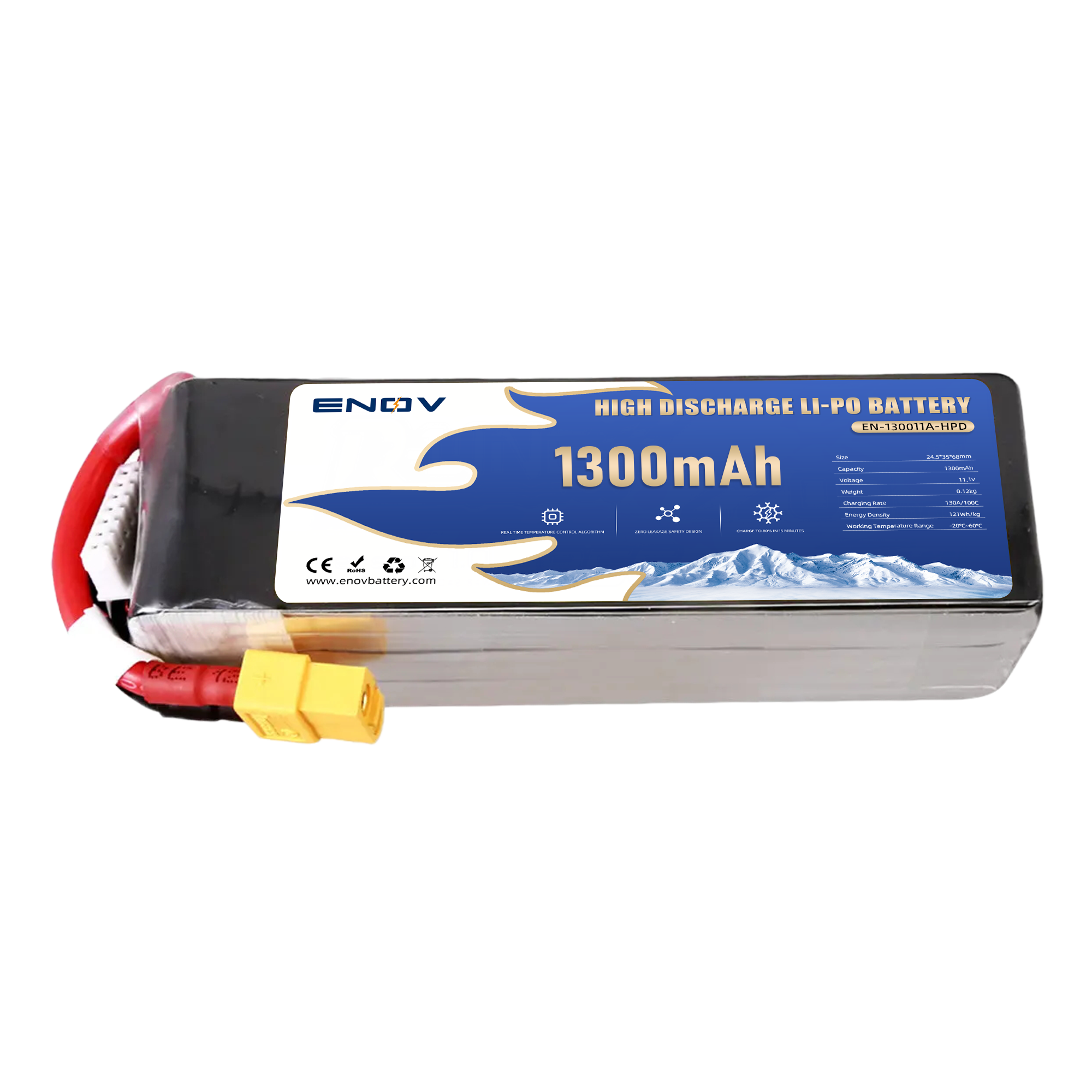
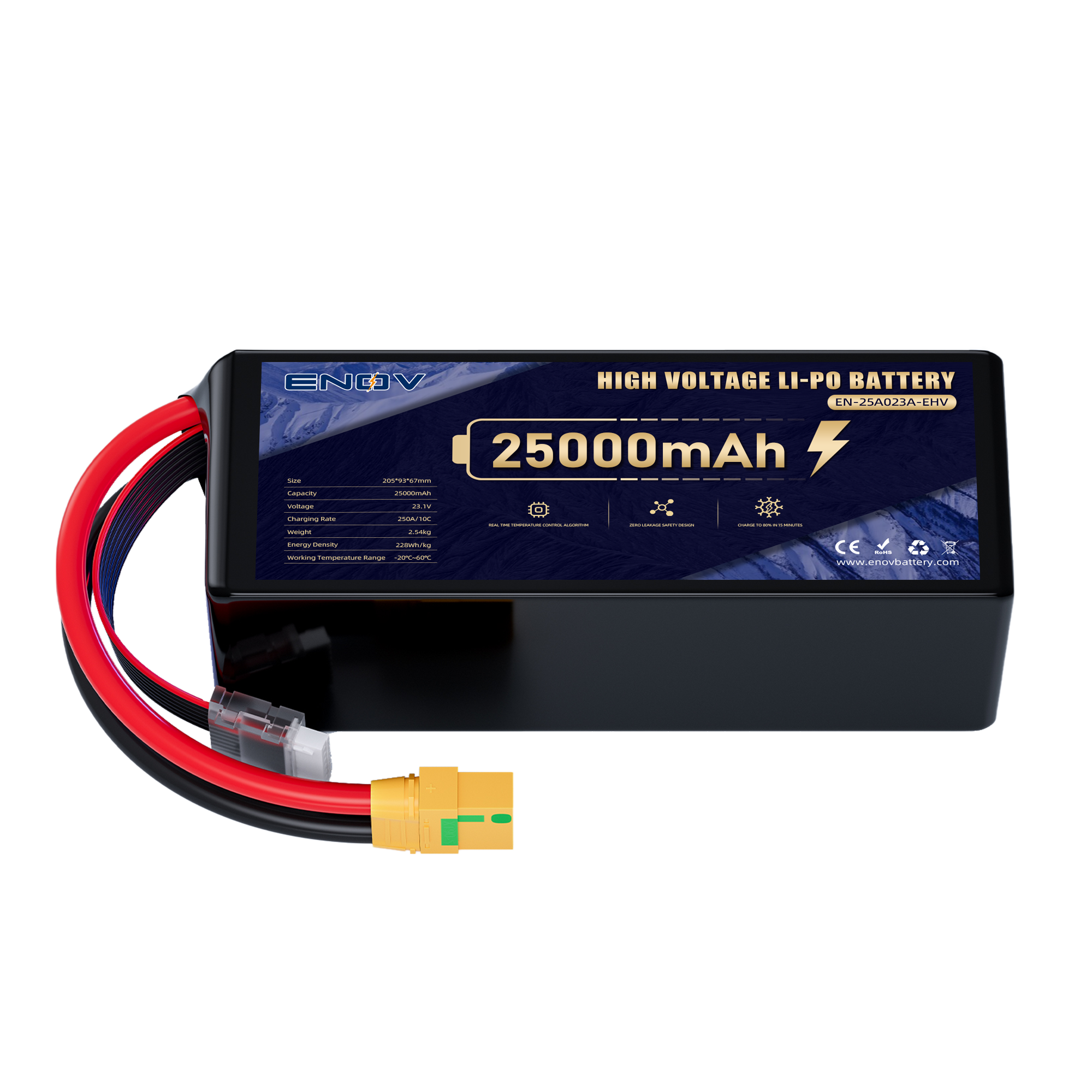
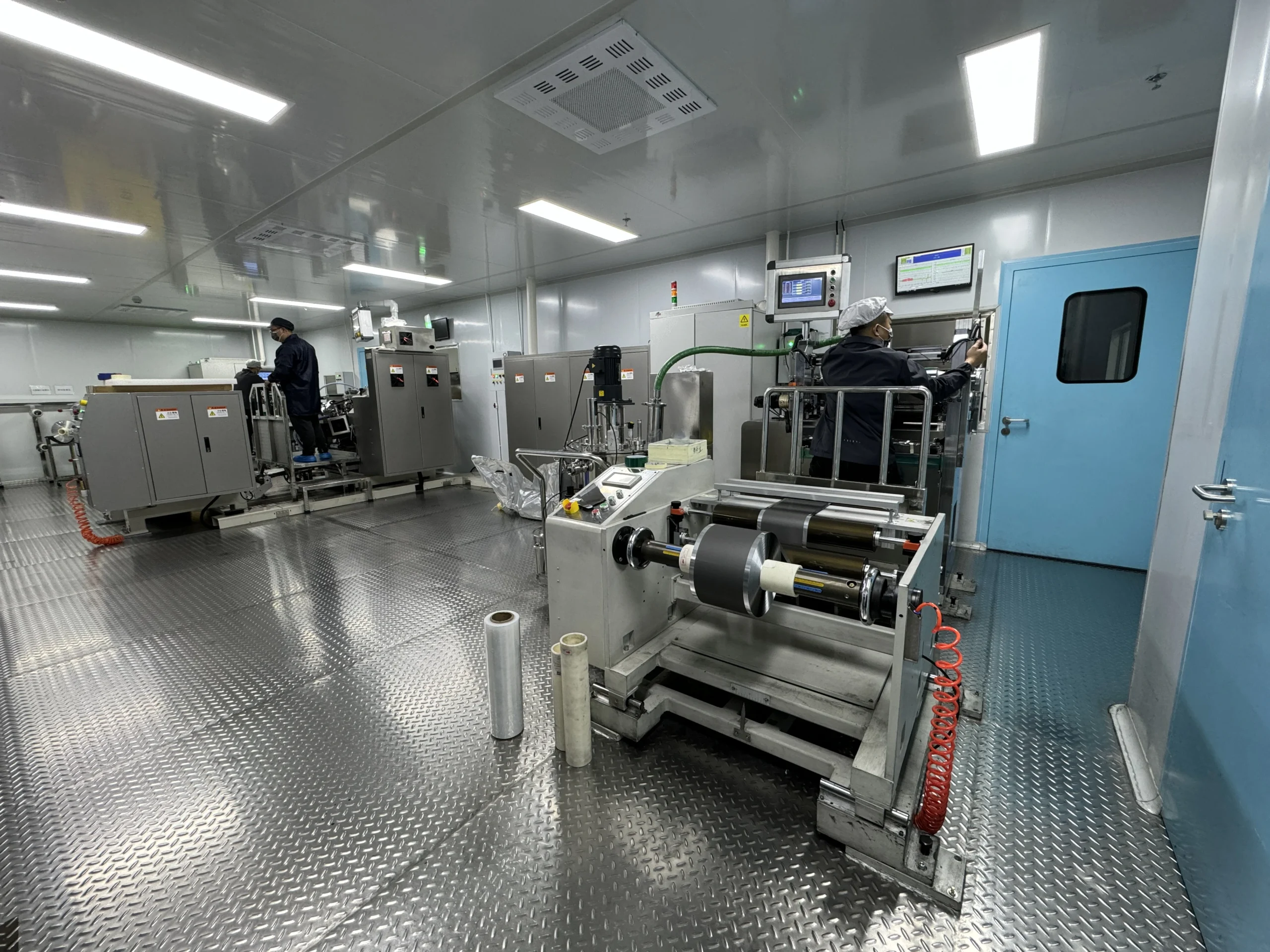
Enov UAV battery has the most advanced UAV battery new technology, it has a lightweight structural design, ultra-high energy density, stable continuous discharge, customized ultra-high instantaneous discharge, wide temperature working range, stable charge and discharge, battery materials can choose high nickel terpolymer positive/silicon carbon negative material system combined with semi-solid battery technology. Or choose a more mature application of more UAV lithium battery technology, available UAV battery nominal voltage 3.7V, capacity 18.0Ah ~ 30.0Ah, support 10C continuous discharge and 120C pulse discharge (3 seconds). With ultra-high energy density (220-300Wh/kg) as its core advantage, Enov UAV batteries can meet the needs of long-term endurance scenarios such as plant protection drones and transport drones, while maintaining stable emission performance in extremely low temperature environments (-40℃).
Access to high frequency technical questions with one click, get accurate answers on product application, after-sales policy and customization process.
Get the latest product specifications, explore professional OEM/ODM customization services, click to open exclusive technical support and production solutions.