AI-Driven Optimization Environmental and Economic Benefits: A Dual Advantage for Modern Enterprises
Environmental and Economic Benefits of AI-Driven Optimization
AI-driven optimization environmental and economic benefits are reshaping industries by harmonizing sustainability with profitability. While automation and predictive analytics have long driven efficiency, modern AI systems now unlock unprecedented value—slashing carbon footprints while boosting operational ROI. This article explores how businesses can harness these dual advantages to thrive in a competitive, eco-conscious market.
thrust
1. Environmental Impact: Reducing Waste and Emissions
AI-driven optimization minimizes environmental harm by streamlining resource allocation. For instance, logistics companies using AI-powered route planning reduce fuel consumption by up to 15%, cutting CO2 emissions significantly. Similarly, manufacturing plants deploying AI for energy management lower electricity usage by 20-30% through predictive load balancing and equipment optimization.
Energy-intensive sectors like data centers also benefit. Advanced cooling systems and workload scheduling, guided by AI, curtail energy waste by 25%, aligning with global sustainability targets. By prioritizing renewable energy integration, AI further ensures scalable green operations, such as optimizing wind farm output to match grid demand.
2. Economic Gains: Cost Efficiency and Competitive Edge
The financial advantages of AI-driven optimization are equally compelling. Retailers leveraging AI for inventory management reduce overstocking costs by 35% while maintaining product availability. Predictive maintenance in heavy industries lowers equipment downtime by 40%, translating to millions in annual savings.
AI also enhances revenue streams. Dynamic pricing algorithms adjust in real time to market trends, increasing profit margins by 8-12%. For SMEs, cloud-based AI tools democratize access to advanced analytics, enabling cost-effective scalability without heavy upfront investments.
3. Synergy Between Sustainability and Profitability
Contrary to the myth of trade-offs, AI creates synergies where eco-friendly practices drive economic growth. A beverage company reduced water usage by 15% using AI-powered sensors, saving $2M annually while conserving resources. Likewise, AI-optimized packaging designs cut material waste by 20%, reducing expenses and enhancing brand reputation among eco-conscious consumers.
Investors increasingly favor businesses with AI-driven sustainability strategies. Firms reporting reduced emissions and energy costs see 12% higher valuation multiples, proving that green innovation attracts capital.
4. Long-Term Resilience and Regulatory Compliance
AI-driven optimization future-proofs operations against regulatory shifts. Automated carbon accounting ensures compliance with laws like the EU’s CSRD, avoiding fines and streamlining reporting. Proactive risk modeling also mitigates supply chain disruptions—critical as climate-related incidents surge.
Energy price volatility is another area where AI excels. By predicting market fluctuations and optimizing procurement, manufacturers stabilize costs, achieving 18% higher profitability during energy crises.
Conclusion
AI-driven optimization environmental and economic benefits are not mutually exclusive; they are interconnected pillars of modern business success. Enterprises adopting these technologies reduce ecological footprints, cut operational costs, and gain market advantages. As global regulations tighten and consumer preferences shift toward sustainability, AI-driven strategies will define industry leaders. By embedding intelligent systems into core operations, businesses can achieve lasting growth while contributing to a greener planet.
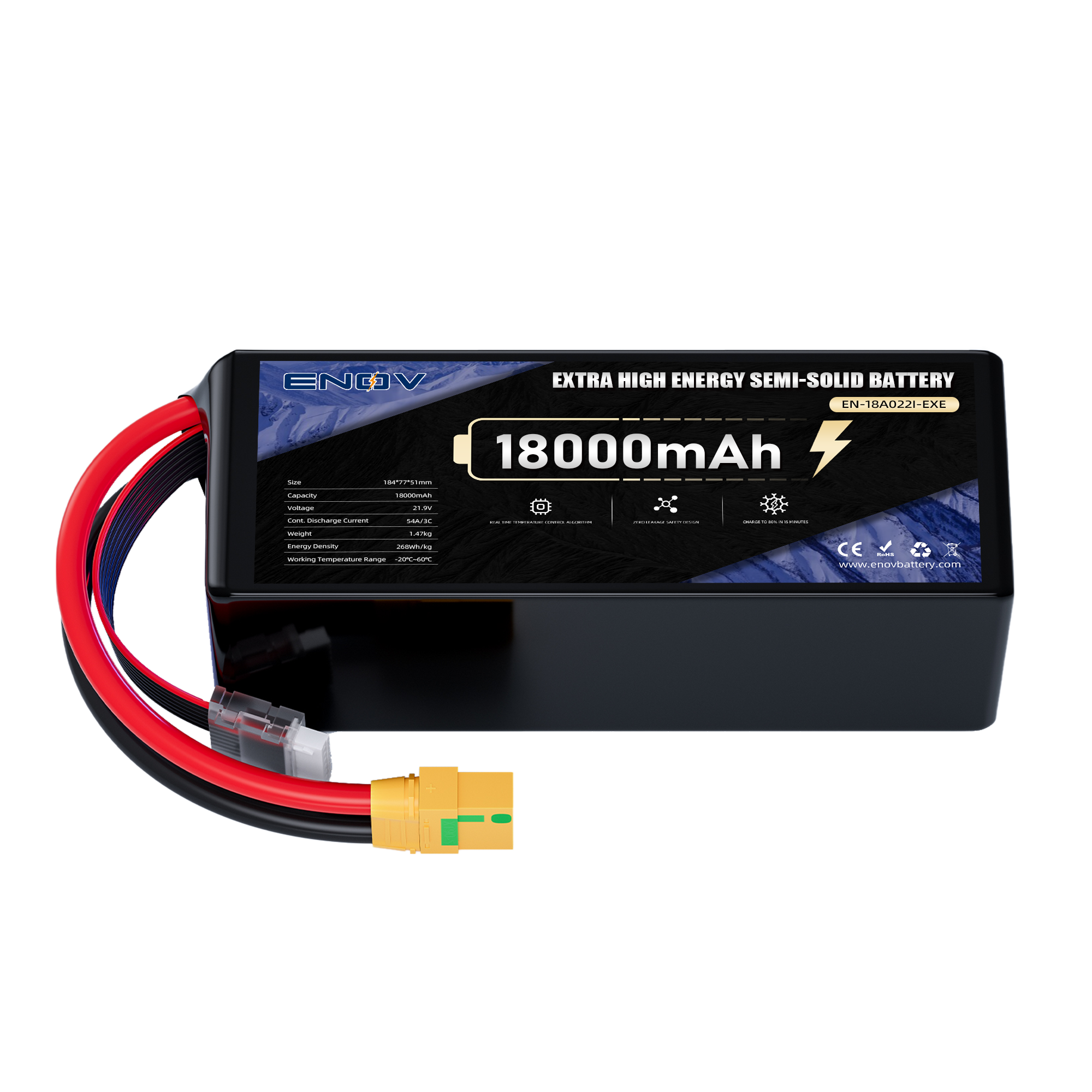
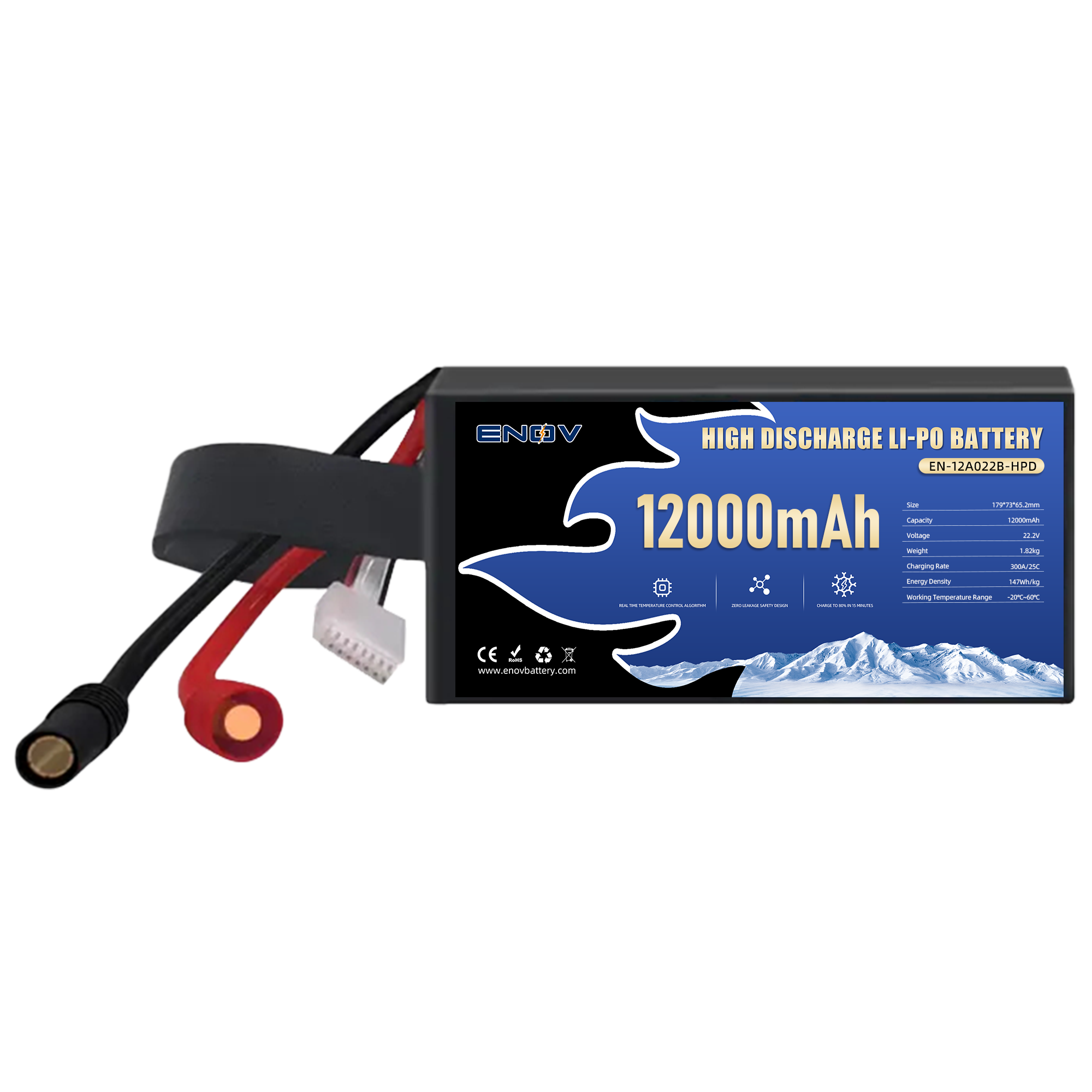
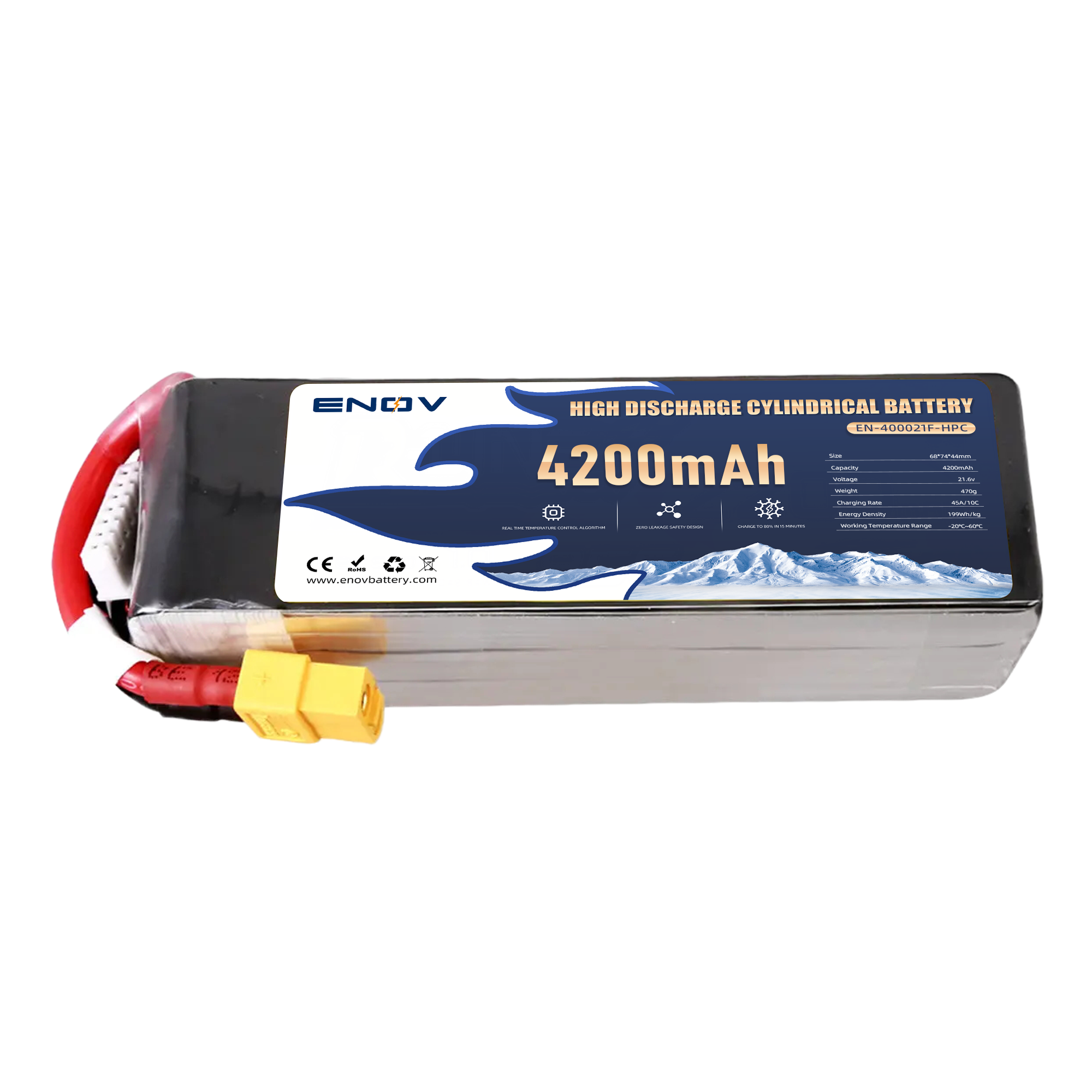
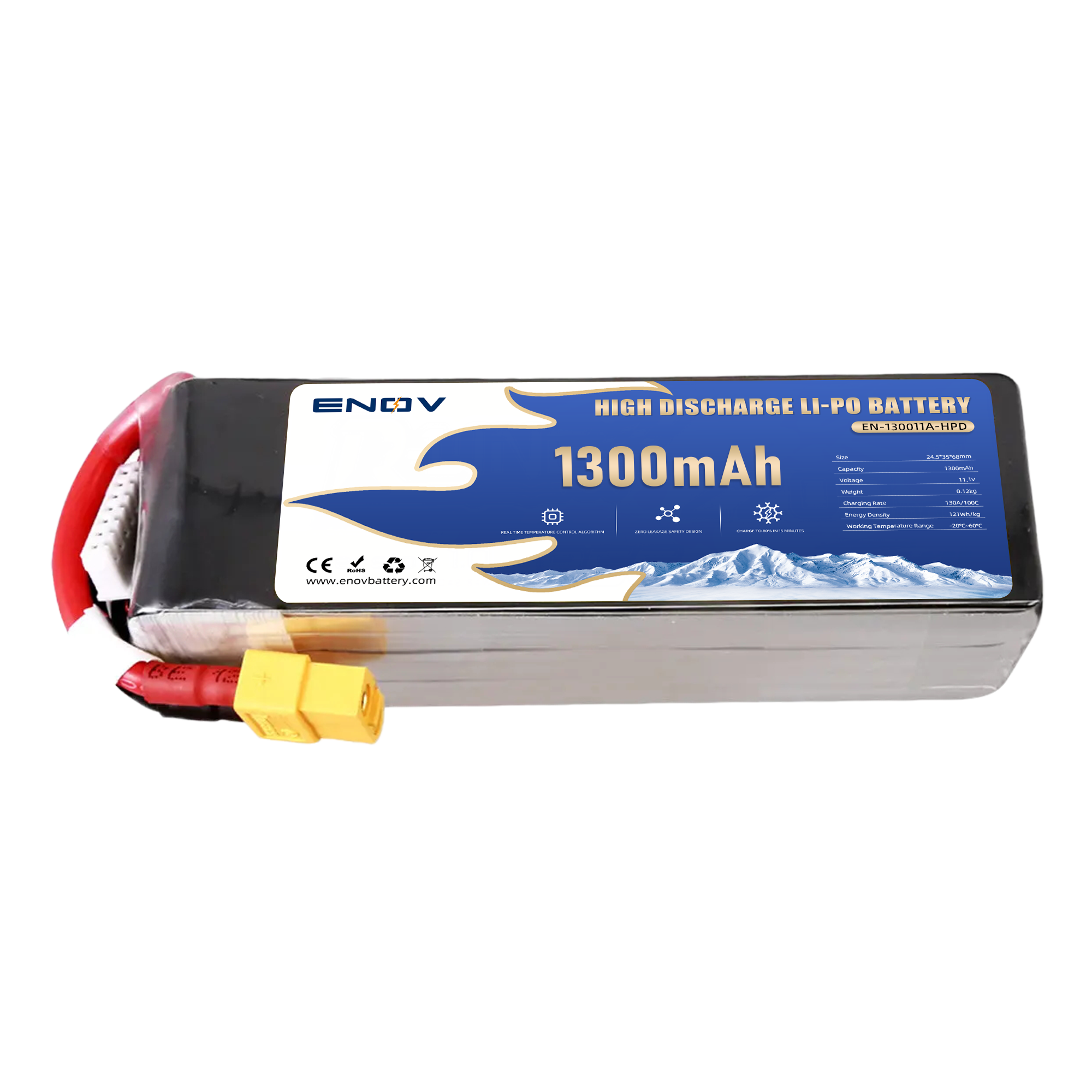
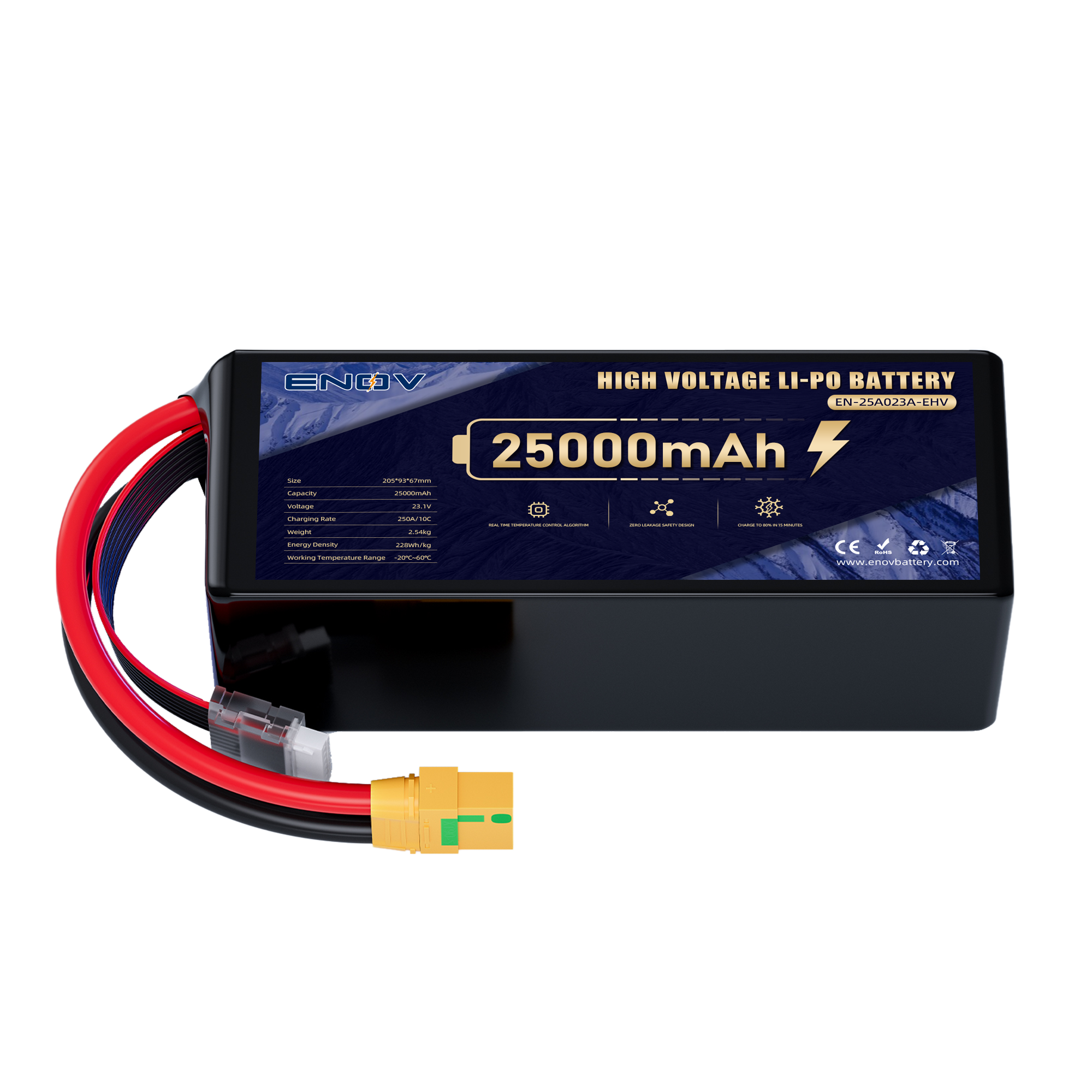
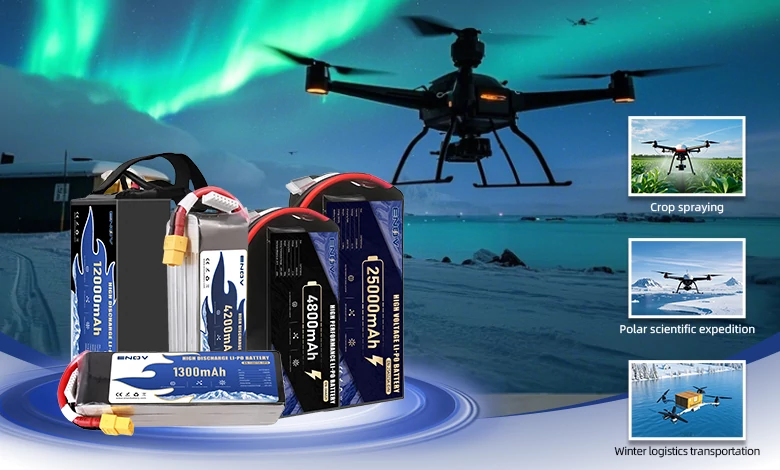
Enov UAV battery has the most advanced UAV battery new technology, it has a lightweight structural design, ultra-high energy density, stable continuous discharge, customized ultra-high instantaneous discharge, wide temperature working range, stable charge and discharge, battery materials can choose high nickel terpolymer positive/silicon carbon negative material system combined with semi-solid battery technology. Or choose a more mature application of more UAV lithium battery technology, available UAV battery nominal voltage 3.7V, capacity 18.0Ah ~ 30.0Ah, support 10C continuous discharge and 120C pulse discharge (3 seconds). With ultra-high energy density (220-300Wh/kg) as its core advantage, Enov UAV batteries can meet the needs of long-term endurance scenarios such as plant protection drones and transport drones, while maintaining stable emission performance in extremely low temperature environments (-40℃).
Access to high frequency technical questions with one click, get accurate answers on product application, after-sales policy and customization process.
Get the latest product specifications, explore professional OEM/ODM customization services, click to open exclusive technical support and production solutions.
Challenges: Balancing Autonomy and Interdependence
Over-reliance on regional networks can introduce new vulnerabilities. Taiwan’s semiconductor dominance, for instance, faces strain as geopolitical tensions escalate, prompting firms like TSMC to diversify production to Arizona and Japan. Additionally, inconsistent regulations across regions complicate compliance—ASEAN’s varying carbon tariffs have delayed Southeast Asia’s EV supply chain integration. Solutions like the Pan-EU Supply Chain Pact standardize sustainability metrics, while Africa’s AfCFTA simplifies cross-border customs for 54 member nations.