• +8613392026914
  • info@enovbattery.com
  • China

Comprehensive Guide to FPV Battery Selection

Drone Battery

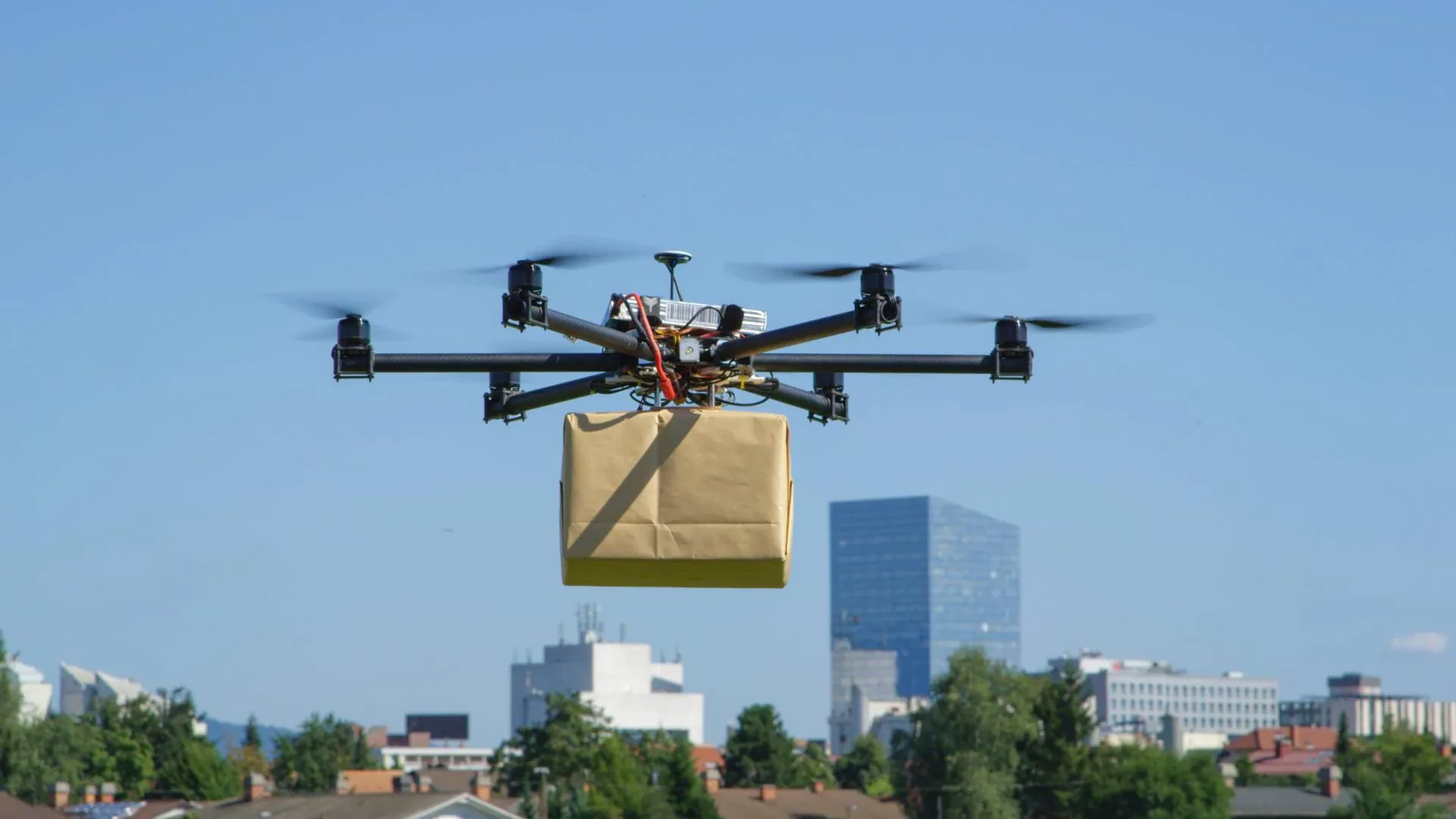
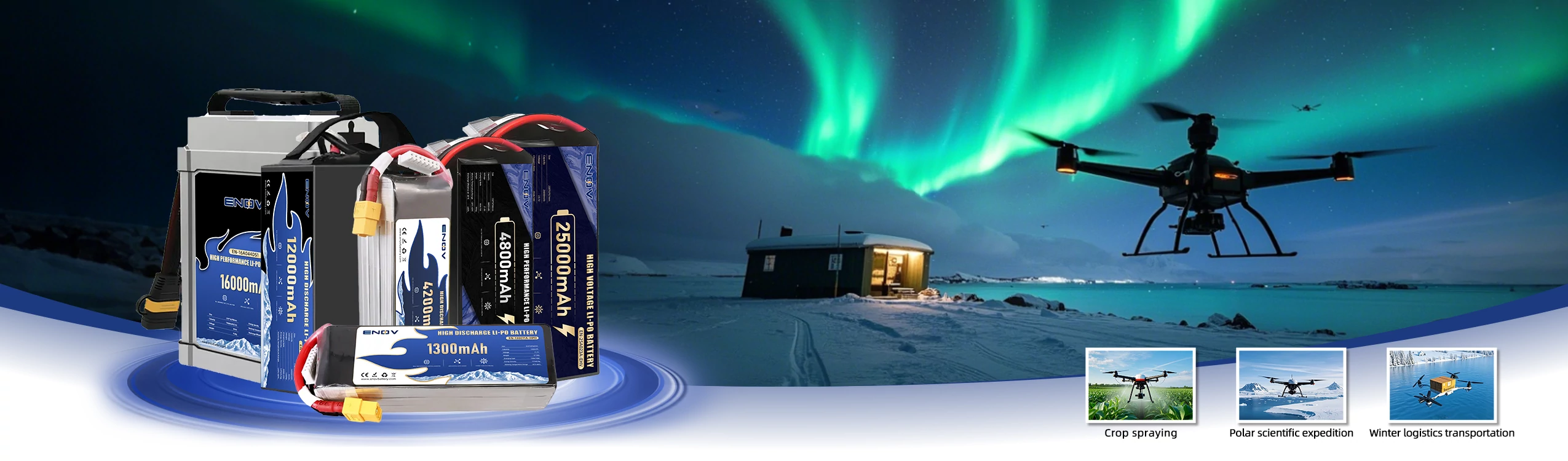
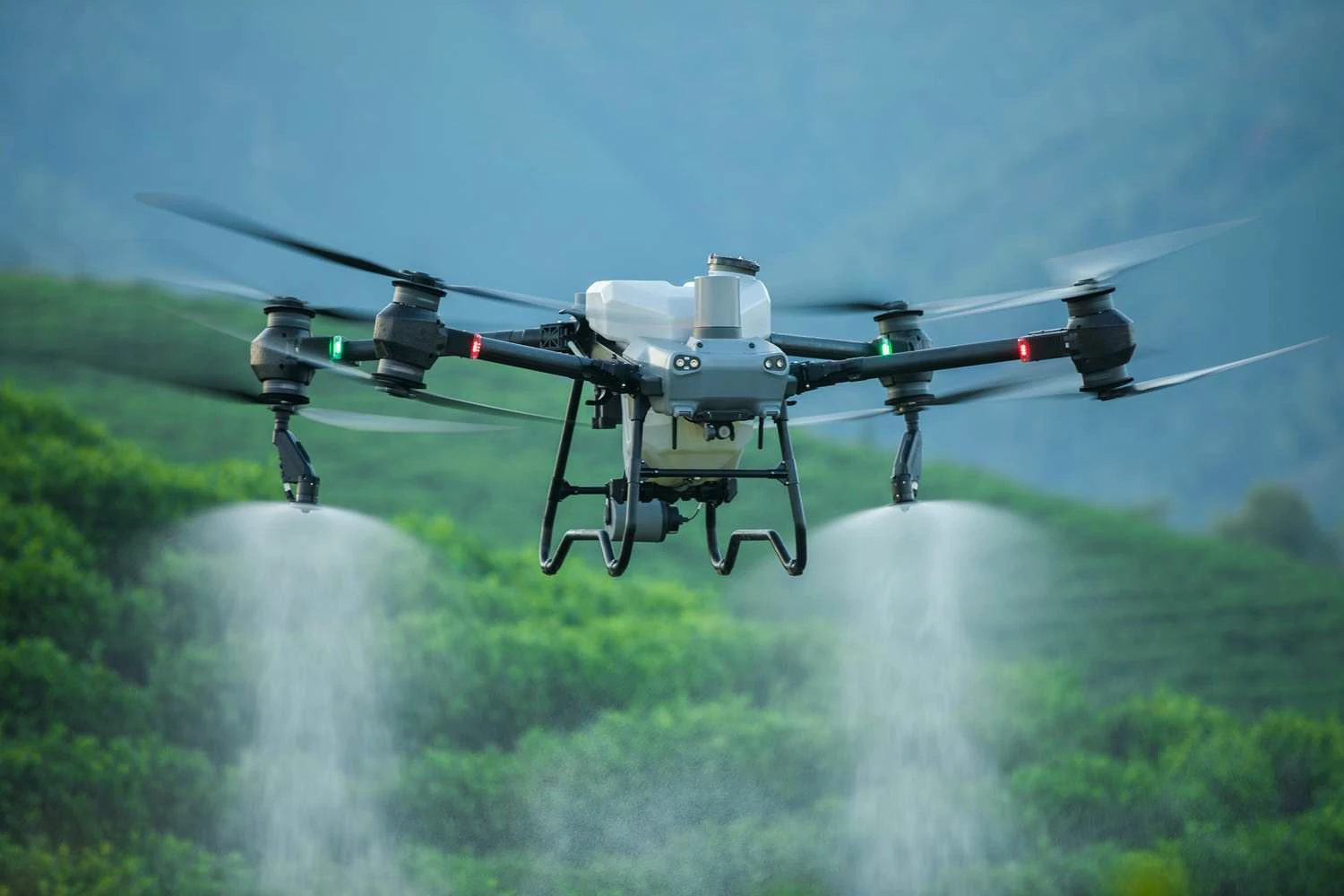
ENOV High-Energy drone batteries power industrial and commercial drones. Delivering 220–320 Wh/kg energy density, they enable long flight times (30+ mins) and support fast charging (2C). Perfect for aerial photography, surveillance, and delivery drones.

The flight performance, endurance duration, and operational safety of FPV drones depend primarily on the compatibility and quality of the battery. This guide integrates comprehensive information from basic parameters to practical selection, covering the full capacity range of 300mAh to 10000mAh, compatible with mainstream models such as BetaFPV and DJI. It assists users with different needs in selecting batteries accurately.

I. Core Parameter Explanation: Understanding Key Battery Indicators

(1) Voltage (S Rating)

Voltage is determined by the number of series-connected cells inside the battery, directly affecting the drone’s power output intensity. It must be strictly matched with the motor and ESC (Electronic Speed Controller) parameters.

3S (11.1V, 12.6V fully charged): Mild power output and high safety, suitable for micro-drones and beginner training models with a high operational fault tolerance.

4S (14.8V, 16.8V fully charged): Balances power and maneuverability, an optimal choice for entry-level Freestyle and primary racing. Works best with high-KV motors (2600KV-3000KV).

6S (22.2V, 25.2V fully charged): Delivers strong explosive power and rapid response, a standard configuration for advanced Freestyle and professional racing. Requires matching with low-KV motors (1700KV-2200KV).

8S and above (29.6V+, 33.6V+ fully charged): Provides extreme power output, exclusively for specially modified models and scenarios requiring extreme performance.

(2) Capacity (mAh)

Capacity directly reflects the battery’s energy storage capability and determines flight endurance, but it must be balanced with the drone’s weight.A larger capacity extends endurance, but increased weight reduces maneuverability. Exceeding the optimal capacity range leads to decreased overall efficiency.Different models have ideal compatible capacities:

5-inch Freestyle models: 1300-1550mAh (balances 4-5 minutes of endurance and ≤550g body weight)

Micro-drones: 300-800mAh

Large aerial photography drones: 5000-10000mAh

(3) Discharge Rate (C Rating)

The discharge rate represents the battery’s ability to release energy instantaneously, directly affecting stability during high-load flight. Formula: Maximum continuous discharge current = Capacity (Ah) × C rating.

Freestyle flight: 90C and above (handles frequent rapid acceleration/deceleration and stunts)

High-speed racing: 120C and above (meets continuous high-current demands during extreme-speed flight)

Long-endurance flight: Approximately 70C (prioritizes stable output over extreme bursts)

Insufficient C rating causes voltage collapse during full-throttle operation, potentially leading to FPV signal blackout, flight controller restart, or even crash.

(4) Size and Weight

Size compatibility: Precisely measure the battery compartment’s length, width, and height before purchasing. For example, 5-inch frame battery compartments typically have a width ≤38mm to avoid installation difficulties.

Weight impact: Every 100g increase reduces endurance by approximately 1 minute. Racing models sacrifice partial capacity for lightweight design to enhance steering and acceleration performance.

II. Core Selection Principles: Accurate Matching of Equipment and Needs

(1) First Match Drone Parameters

Refer to official recommendations: Use the voltage, size, and connector type specified by manufacturers such as BetaFPV and DJI as benchmarks to avoid compatibility issues.

Verify power system: Determine the battery’s discharge capacity based on the total ESC current. The requirement is: Capacity (Ah) × Discharge rate (C) ≥ Total ESC current × 1.2x redundancy. For example, 4 35A ESCs have a total current of 140A, requiring a battery with a continuous discharge current ≥168A.

Match connector types:

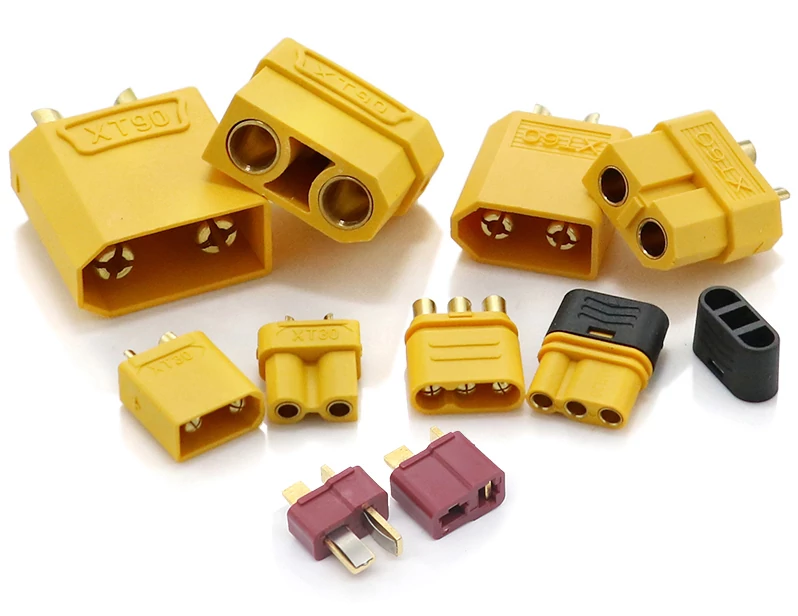
≤1300mAh: JST/XT30 connectors (common)

1500-3000mAh: XT60 connectors (common)

≥4000mAh: XT90/XT90-S or AS150 anti-spark connectors (recommended)

(2) Then Align with Flight Scenarios

Indoor micro-scenarios: Prioritize small-capacity, lightweight batteries with emphasis on agility and explosive power.

Outdoor racing/Freestyle: Focus on high discharge rates and medium capacity (balances power and endurance).

Long-endurance aerial photography/operations: Select large-capacity batteries with stable discharge, prioritizing energy density.

(3) Balance Key Factors

Avoid the misconception that “larger capacity is better.” Strike a balance between power, endurance, weight, and budget:

Racing models: Prioritize high discharge rate + small capacity

Long-endurance models: Prioritize large capacity + medium discharge rate

Beginner models: Prioritize safety + ease of operation

III. Scenario-Specific Selection Recommendations

(1) Capacity-Graded Adaptation

● 300mAh-800mAh: First Choice for Mini FPV/Indoor Racing Drones

Compatible models: BetaFPV Beta85X/85X HD, Beta75X, Beta65S; DJI Avata 2 (lightweight modification), DJI FPV Mini

Recommended voltage: 3S (mainstream), 2S (supported by some ultra-mini models)

Core advantages: Weight 15-35g, discharge rate 30C-60C, agile and flexible, beginner-friendly

Application scenarios: Indoor practice, small-track racing, low-altitude short video shooting; endurance 5-12 minutes

● 1000mAh-2000mAh: Mainstream for Entry-Level Outdoor Racing Drones

Compatible models: BetaFPV Beta95X V3, Beta100X, Beta130X; DJI FPV Standard Edition, DJI Avata 1/2 (standard configuration)

Recommended voltage: 3S-4S (4S preferred for speed-focused scenarios)

Core advantages: Weight 35-70g, discharge rate 25C-40C, balances endurance and maneuverability; popular for outdoor beginners

Application scenarios: Outdoor beginner practice, suburban racing, medium-distance aerial photography; endurance 10-20 minutes

● 2200mAh-5000mAh: Specialized for Long-Endurance Racing/Aerial Photography

Compatible models: BetaFPV Beta160X, Beta180X, customized payload models; DJI FPV Long-Endurance Modification, DJI Inspire Mini (compatible version)

Recommended voltage: 4S-6S (high voltage + large capacity meets payload and long-endurance needs)

Core advantages: Weight 70-180g, discharge rate 20C-30C, supports gimbal and HD FPV installation

Application scenarios: Long-distance racing, outdoor HD aerial photography, long-track racing; endurance 20-40 minutes

● 6000mAh-10000mAh: Professional Payload/Long-Duration Operations

Compatible models: BetaFPV industrial-grade FPV drones, customized heavy racing drones; DJI Matrice Mini Modification, professional operation drones

Recommended voltage: 6S-8S (requires matching high-power ESCs for stable discharge)

Core advantages: Weight 180-350g, discharge rate 15C-25C, supports long-duration operations and payloads

Application scenarios: Professional surveying and mapping, outdoor monitoring, long-distance material transportation; endurance 40-80 minutes
(2) Demand-Specific Segmentation

Beginner training: 4S 850-1300mAh 90-100C (balances fault tolerance and performance, minimizes collision damage; 1300mAh extends practice time)

Freestyle: 6S 1300-1550mAh 100-120C (e.g., Tattu R-Line 6S 1300mAh 120C; ~4.5 minutes of endurance, excellent impact resistance)

High-speed racing competitions: 6S 1100-1300mAh 120C+ (low internal resistance design; e.g., Tattu R-Line 5.0 150C 1480mAh, achieves speeds over 200km/h with 5-inch racing propellers)

Long-endurance line inspection/filming: 6S 1600-2000mAh 70C+ (prioritize high-voltage batteries for higher energy density; endurance over 7 minutes)

(3) Special Environment Adaptation

High altitude/high temperature: Increase capacity by 10% and discharge rate by 20% to prevent voltage collapse.

Long-distance FPV flight: Adopt 4.4V high-voltage system (extends endurance by 8-12% at the same capacity).

IV. Battery Safety and Maintenance Guidelines

(1) Charging Specifications

Use a dedicated balance charger and calibrate cell voltages regularly to ensure consistency (avoids whole-pack failure due to underperforming individual cells).

Control charging rate at 1C-2C (follow manufacturer requirements) to reduce battery stress.

Monitor charging process and use a LiPo fireproof bag/box; never leave charging unattended.

(2) Storage and Maintenance

Charge to 40%-60% capacity (≈3.8V per cell) for long-term storage.

Store in a cool, dry environment (10°C-25°C) in a fireproof container, away from flammable materials.

(3) Daily Management

Numbering system: Mark each battery with a unique ID and record cycle count, voltage degradation, and other data to track performance changes.

Voltage control: Avoid over-discharging; maintain single-cell voltage above 3.5V. Land when remaining capacity reaches 80% (recommended).

Regular inspections: Visually check for swelling, damage, or loose connectors. Perform regular charge-discharge cycles to maintain battery health.

(4) Troubleshooting

Performance degradation at full throttle: Replace with a higher C-rating battery to reduce voltage collapse.

Battery overheating: Avoid over-discharging and improper charging; allow cooling time between flights.

Swelling/physical damage: Immediately discard and dispose of safely; do not continue using.

V. Selection Summary

The core of FPV battery selection is “accurate matching + demand prioritization”:

Determine voltage, size, and minimum discharge rate based on frame dimensions and motor/ESC parameters.

Select capacity and discharge rate according to flight scenarios.

Strike a balance between power, endurance, weight, and budget.

Beginners: Start with 4S/6S, 1300-1550mAh, 90-120C (balances safety and ease of operation).

Racing enthusiasts: Prioritize 6S, 1000-1300mAh, 120-150C for extreme explosive power.

Long-endurance needs: Opt for 6S, 1500-2000mAh, 70-90C for stable output.

Following standard usage and maintenance practices ensures flight safety and extends battery cycle life (high-quality batteries can withstand 300-500 charge-discharge cycles with proper care).

UAV Drone Battery

UAV Drone Battery

Quick inquiry

Drop us a line, and we’ll get back to you within 24 hours.

Name