
• +8613392026914
  • info@enovbattery.com
  • China

32650 Cylindrical Battery

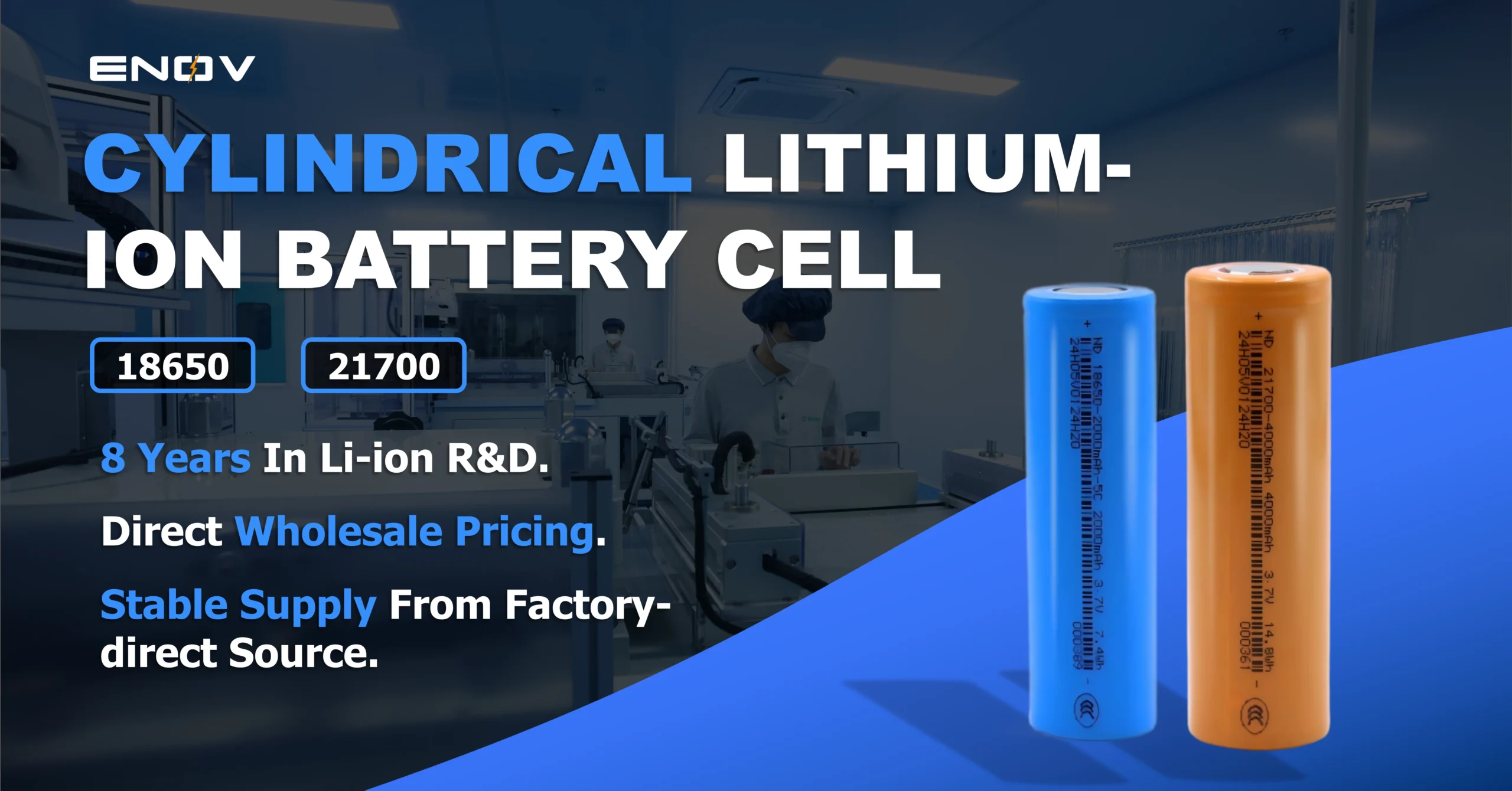
Cylindrical Lithium-Ion Battery Cell

Space-grade safety ensured by multi-level protection, automated manufacturing, comprehensive testing, 24/7 monitoring & big data warning. Max 2000-cycle life via modified cathode/anode/electrolyte to slow capacity fade. Volume energy density >300Wh/kg with advanced materials (high-voltage, cobalt-free, solid-state) and minimalist structure. High consistency from automated sorting/grouping, avoiding barrel effect to boost pack discharge capacity. 24/7 protection via BMS (health monitoring, internal short detection, 90% fire risk reduction) and lifecycle online warning.
The 32650 cylindrical ternary lithium battery (with a chemical system mainly based on ternary lithium/lithium cobalt oxide) is an important category in the lithium-ion battery family, focusing on high energy density and compact performance. With outstanding advantages in energy storage and volume adaptability, it is widely used in scenarios sensitive to endurance and space. The following is an in-depth interpretation of the characteristics and value of the 32650 ternary lithium battery from dimensions such as basic definition, core performance, application scenarios, selection and maintenance, and industry ecology.

I. Basic Definition and Core Specifications

1. Nomenclature and Structural Features

The model “32650” represents standardized dimensions, with a diameter of approximately 32 millimeters and a height of approximately 65 millimeters. It adopts a high-strength cylindrical steel shell design, balancing structural stability and lightweight requirements.

The interior features a wound electrode group, with a Current Interrupt Device (CID) and PTC/safety pressure relief valve integrated at the top. While ensuring stable current output, it reduces safety risks under abnormal operating conditions.

The core chemical system is ternary lithium (NCM/NCA) or lithium cobalt oxide. Through the combination of multi-component cathode materials, it achieves a balance between high energy density and discharge performance.

2. Key Performance Parameters

● Voltage specification: The nominal voltage is 3.6-3.7V, the full charge voltage is approximately 4.2V, and the cut-off discharge voltage is 2.5-2.75V, which is compatible with the voltage requirements of most electronic devices and power systems.

● Capacity range: The capacity of mass-produced commercial products is concentrated between 5500-8500mAh. Compared with batteries of other systems of the same size, it can provide more sufficient power storage.

● Energy density: Approximately 200Wh/kg, which is at a high level among cylindrical cells. It can store more energy in a limited volume and improve the endurance of equipment.

● Discharge rate: The continuous discharge rate is 2-5C, meeting the current requirements of medium and high-power equipment and adapting to short-term high-intensity power consumption scenarios.

● Cycle life: Under standard operating conditions (1C charge and discharge, 25℃), the number of cycles can reach 500-800 times. Through reasonable use and maintenance, the actual service life can be further extended.

● Other key parameters: The internal resistance of a single cell is 4-8mΩ (affected by capacity and tab design), and the weight is 140-160 grams (related to shell thickness and cap structure); the operating temperature range covers 0-45℃ for charging and -20-60℃ for discharging, adapting to most daily and industrial environments.

II. Core Performance Advantages and Scenario Adaptability

1. Core Advantages Compared with Other Batteries

Comparison Dimension 32650 Ternary Lithium Battery LFP Battery of the Same Size 18650 Ternary Lithium Battery
Energy Density
Approximately 200Wh/kg
140-160Wh/kg
180-190Wh/kg
Typical Capacity
5500-8500mAh
4500-6500mAh
1500-3500mAh
Nominal Voltage
3.6-3.7V
3.2V
3.6-3.7V
Volumetric Energy Efficiency
Higher (more electricity stored per unit volume)
Lower
Lower (larger volume for the same capacity)
Adaptable Core Requirements
High endurance, volume sensitivity
Long service life, high safety
Small equipment, low power consumption

High energy density advantage: Compared with LFP batteries of the same size, the energy density is increased by 25%-40%, which can significantly extend the single-use time in power tools and portable equipment; compared with small-sized 18650 ternary lithium batteries, the volume is reduced by approximately 40% for the same capacity, making it more suitable for equipment design with limited space.

● Voltage and compatibility advantages: The nominal voltage of 3.6-3.7V matches the voltage requirements of most electronic devices and power systems, eliminating the need for additional series/parallel adjustments and simplifying the pack design; the internal resistance is low (4-8mΩ), resulting in higher current transmission efficiency and better voltage stability during discharge.

● Lightweight and portability: Compared with some traditional batteries (such as lead-acid batteries) with the same capacity, the weight is only 1/3-1/4 of them, greatly improving the portability of equipment, especially suitable for scenarios such as handheld power tools and portable energy storage devices.

2. Core Performance Highlights

Long endurance capability: The combination of high capacity and high energy density can support the long-term operation of equipment and reduce the charging frequency. For example, in portable outdoor power supplies, a single 5500mAh cell can meet the power supply needs of small household appliances for several hours.

● Rapid energy supplement potential: It is compatible with medium and high-rate charging (some models support 1-2C fast charging), shortening the charging waiting time and improving equipment use efficiency. For example, power tools can be fully charged and resume work within 1-2 hours.

● Environmental adaptability: It can discharge stably in the temperature range of -20-60℃, and still maintain basic performance in low outdoor temperatures or high industrial temperatures, adapting to multi-scenario use requirements.

● Low self-discharge rate: The monthly self-discharge rate is less than 5%, and it can retain more power after long-term storage (such as 3-6 months), without the need for frequent supplementary charging, facilitating inventory management and emergency backup.

III. Main Application Fields

With high energy density and compact size, the 32650 ternary lithium battery shows strong adaptability in multiple fields, especially suitable for scenarios sensitive to endurance, volume, and weight:

1. Portable Power Equipment

Power tools: Suitable for handheld tools such as electric drills, electric saws, and angle grinders. The high capacity can support all-day high-intensity operations, and the lightweight design reduces hand fatigue. For example, the 6500mAh model can meet the needs of electric drills for continuous drilling 50-80 times (depending on the drilling material and specifications).

● Small electric vehicles: Used in electric scooters, electric balance bikes, mini electric vehicles, etc. The high energy density can improve the endurance mileage (a single cell can contribute 10-15 kilometers of endurance, depending on the vehicle model), and the compact size facilitates the integration and installation of battery packs.

2. Consumer Electronics and Portable Energy Storage

High-end consumer electronics: Suitable for high-power Bluetooth speakers, professional high-brightness flashlights, portable projectors, etc. The high capacity ensures the long-term operation of equipment. For example, an 8500mAh cell can support the high-brightness mode of a high-brightness flashlight for 8-12 hours of continuous use.

● Small energy storage devices: Used in 12V/24V portable outdoor power supplies (composed of multiple cells in series/parallel), providing power for mobile phones, laptops, and small household appliances in camping and emergency scenarios, balancing portability and endurance.

3. Industrial and Special Fields

Special lighting equipment: Suitable for searchlights, emergency lighting, etc. In scenarios such as mines and outdoor rescue, it can provide stable and long-lasting lighting support, and can start normally in low-temperature environments.

● Medical auxiliary equipment: Used as a backup power supply for portable monitors, small ventilators, and other equipment. The low self-discharge rate and stable discharge performance ensure the power supply of equipment in emergency situations.

4. Replacement and Upgrade Scenarios

In some scenarios where energy density requirements are higher than cycle life, it can replace LFP batteries of the same size, such as short-term rental power tools and one-time investment emergency energy storage equipment, to meet usage needs with higher endurance.

IV. Usage and Maintenance Specifications

Use a dedicated charger: A charger suitable for ternary lithium batteries must be used, with a charging voltage not exceeding 4.2V to avoid cell bulging and performance degradation caused by overcharging; the charging environment temperature should be controlled at 0-45℃, avoiding charging at low or high temperatures.

● Control the depth of discharge: Try to avoid completely depleting the power (discharging below 2.5V). It is recommended to charge in a timely manner when the remaining power is 10%-20%, which can extend the cycle life. For example, retaining 20% power after each use can increase the number of cycles by 10%-15%.

● Do a good job in thermal management: When discharging at a high rate of 3C or above, ensure good heat dissipation of the cells. Natural convection can be achieved by reserving a 5-10mm gap, or an air cooling device can be added in a closed space to avoid the shell temperature exceeding 60℃.

● Correct storage method: For long-term storage (more than 1 month), keep the power at 30%-50%, store it in a cool and dry environment at 20-25℃, avoid direct sunlight, humidity, or extreme temperatures (below -20℃ or above 60℃), and supplement charging every 3 months to prevent over-discharging.

● Consistency control of pack assembly: When assembling multiple cells into a pack, ensure that the capacity difference is ≤2% and the internal resistance difference is ≤1mΩ, avoiding overcharging and over-discharging of some cells due to poor consistency, which affects the life of the entire pack. It is recommended to conduct screening tests before pack assembly.

V. Summary

The 32650 ternary lithium battery takes “high energy density + compact size” as its core advantages, accurately adapting to scenarios sensitive to endurance and volume, and is an ideal choice for fields such as power tools, portable energy storage, and small electric vehicles. Although its cycle life is slightly shorter than that of LFP batteries, its advantages in energy storage and space utilization make it irreplaceable in specific scenarios. Through reasonable selection, standardized use and maintenance, its performance can be fully exerted to provide stable and efficient power support for equipment.

Battery CELLs

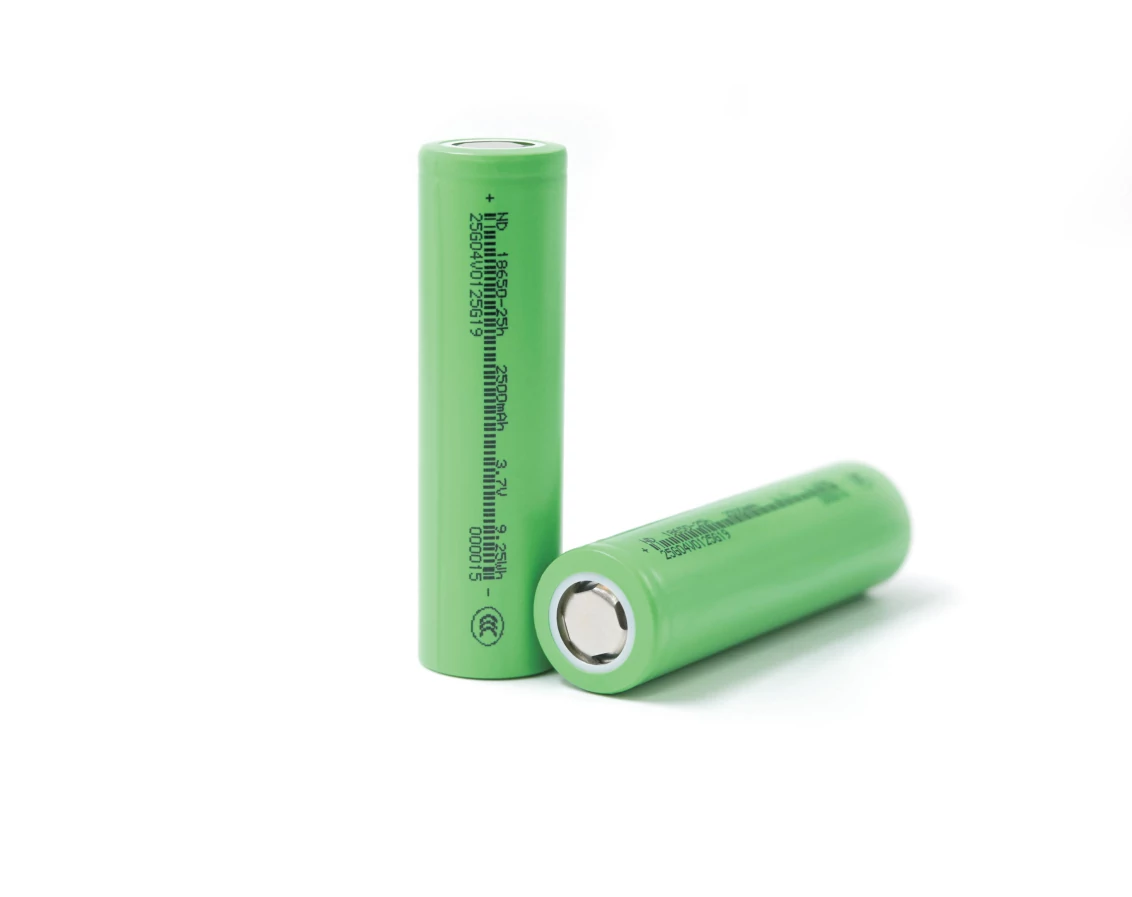
18650

● Appearance: Cylindrical

● Shell: Nickel-plated Steel Shell

● Weight ≈ 46g

● Diameter < 18.5mm

● Height ≤ 65.3mm

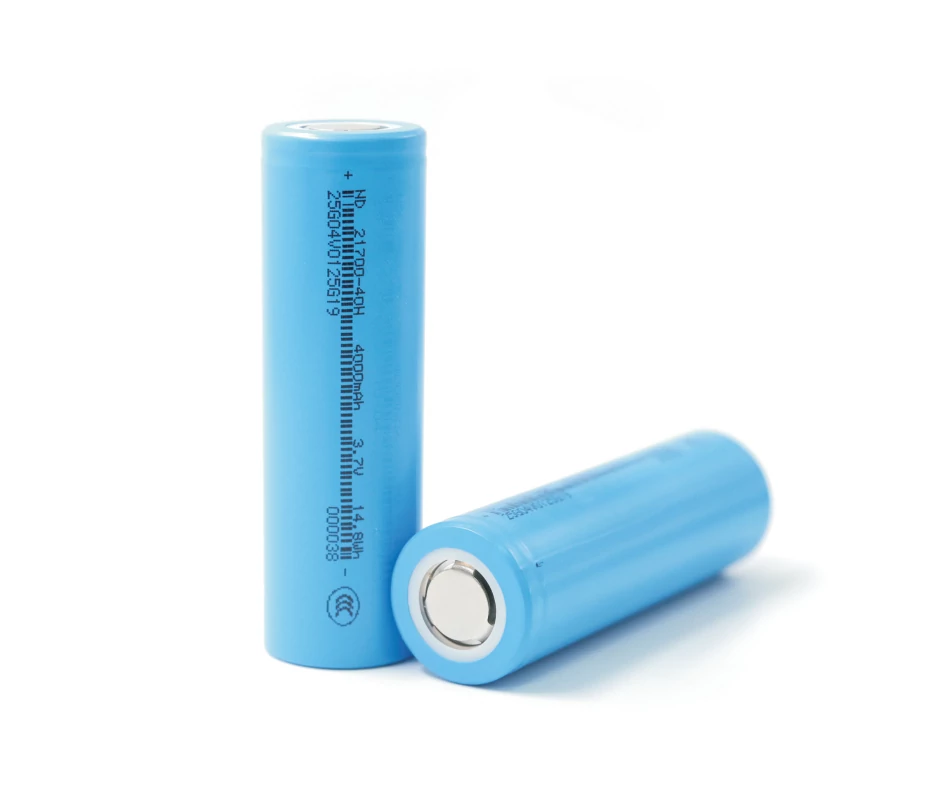
21700

● Appearance: Cylindrical

● Shell: Nickel-plated Steel Shell

● Weight ≈ 69.5g

● Diameter < 21.7±0.3mm

● Height ≤ 70.8mm

LiFePo4 Battery Cell (Lithium Iron Phosphate battery cell)

Lithium iron phosphate, featuring high safety, long lifespan, excellent cycling performance, and being the main focus for high-rate and wide-temperature application scenarios.

LCO Battery Cell (Lithium cobalt oxide battery cell)

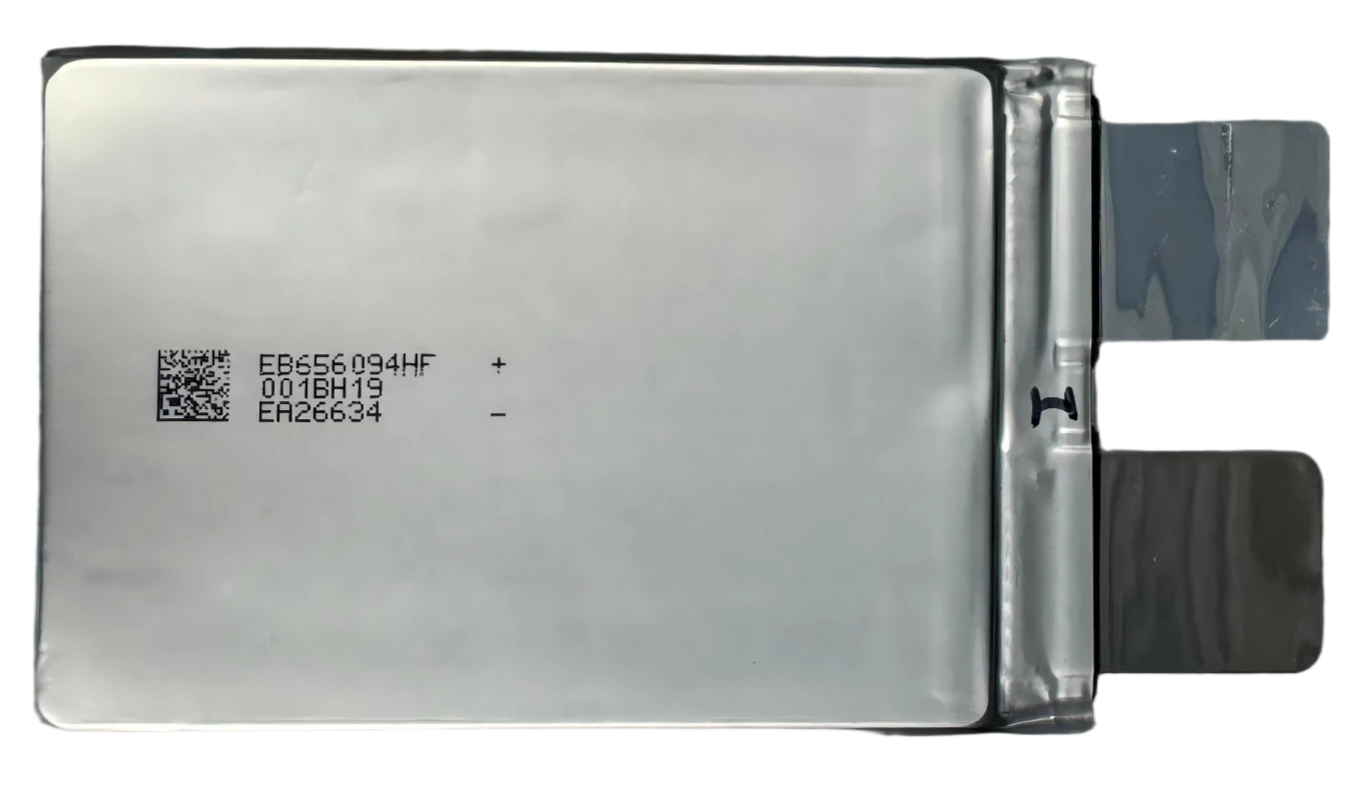
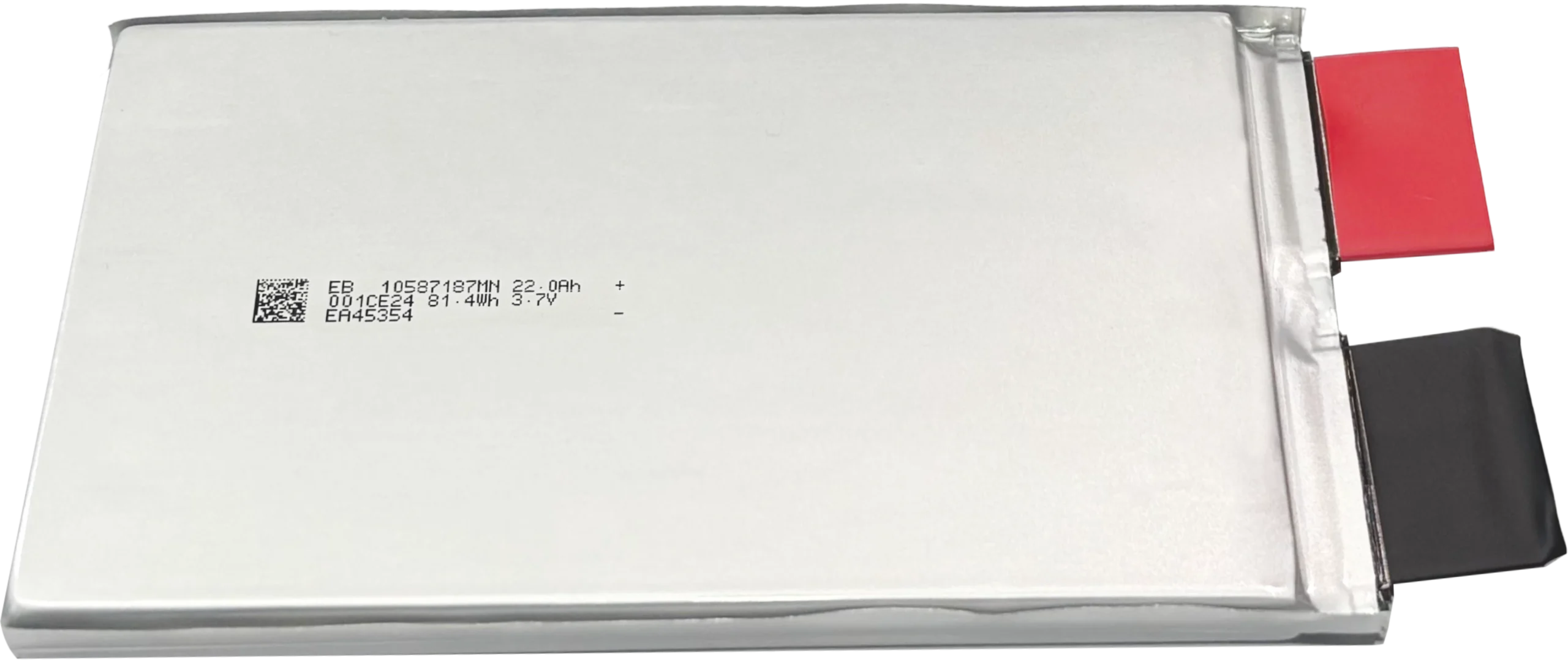
Lithium cobalt oxide has a very high energy density and a stable discharge plateau. It is mainly used in consumer electronics and has applications in fields such as UAV.

NCM Battery Cell (Nickel Cobalt Manganese Oxide battery cell)

Nickel-cobalt-manganese ternary lithium, with high energy density, excellent rate and low-temperature performance, balanced performance and cost.

Quick inquiry

Drop us a line, and we’ll get back to you within 24 hours.

Name