

• +8613392026914
  • info@enovbattery.com
  • China

32140 Cylindrical Battery Cell

Cylindrical Lithium-Ion Battery Cell

Space-grade safety ensured by multi-level protection, automated manufacturing, comprehensive testing, 24/7 monitoring & big data warning. Max 2000-cycle life via modified cathode/anode/electrolyte to slow capacity fade. Volume energy density >300Wh/kg with advanced materials (high-voltage, cobalt-free, solid-state) and minimalist structure. High consistency from automated sorting/grouping, avoiding barrel effect to boost pack discharge capacity. 24/7 protection via BMS (health monitoring, internal short detection, 90% fire risk reduction) and lifecycle online warning.
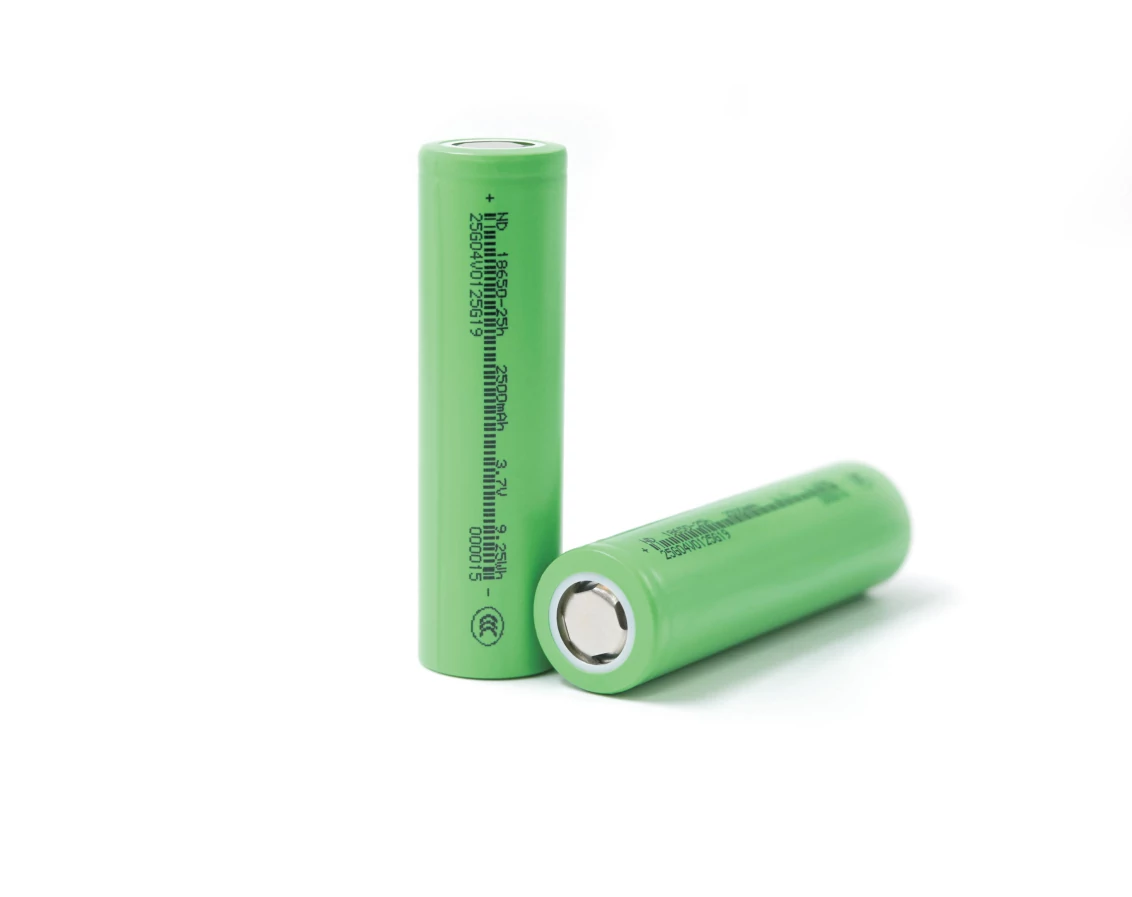
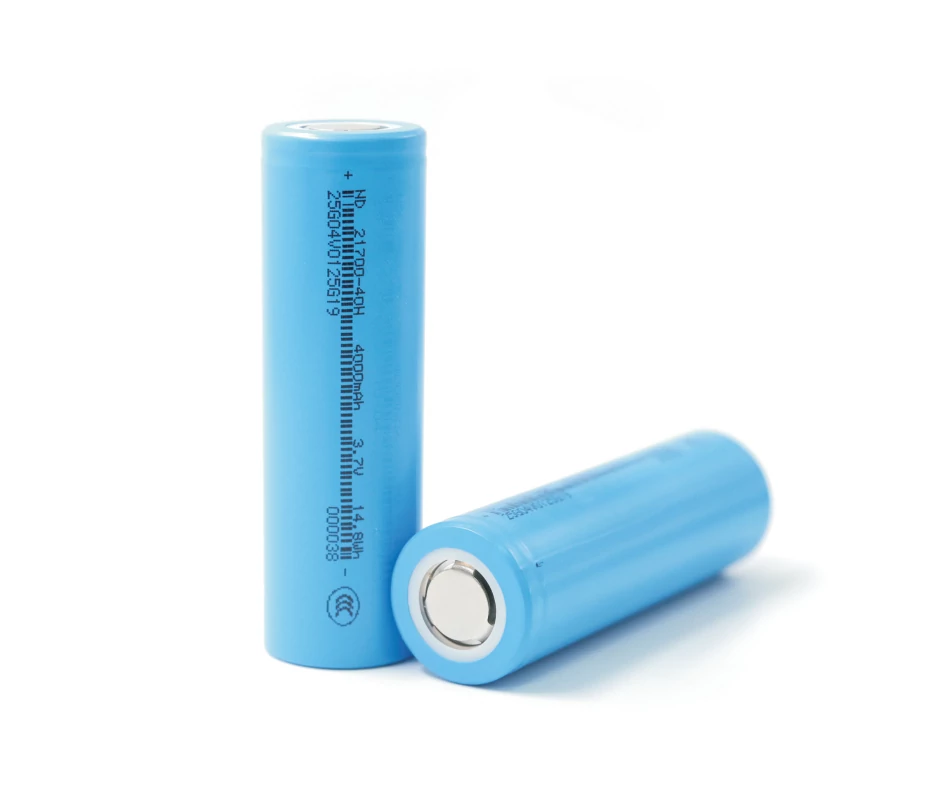
The 32140 cylindrical battery cell is a popular model among large-format cylindrical batteries. With its multi-scenario adaptability, it has rapidly gained popularity in energy storage, low-speed power, and other fields. Its model number denotes fixed physical dimensions: 32mm in diameter and 140mm in height. The mainstream variants cover two chemical systems—lithium iron phosphate (LFP) and sodium-ion—with capacities concentrated at 10Ah and 15Ah. Some manufacturers have planned specifications of over 20Ah. Below is a detailed analysis from multiple dimensions.

I. Core Specifications and Mechanical Properties

(I) Basic Dimensions and Tolerances

It features a cylindrical steel shell design, with positive and negative electrodes led out from both ends respectively.

Standard diameter: 32.0mm, tolerance ±0.2mm

Standard height: 140.0mm, tolerance ±0.3mm

(II) Weight and Energy Density

Lithium iron phosphate version: Weight ranges from 290-300g; the 15Ah model achieves a volumetric energy density of up to 330Wh/L.

● Sodium-ion version: Weight is approximately 270g (265±5g for some specifications); the 10Ah model has a volumetric energy density of about 270Wh/L.

(III) Structural Protection Design

The steel shell has a wall thickness of 0.25-0.30mm, with a cross-shaped scored pressure relief valve on the top and an annular insulating bracket at the bottom. Its anti-extrusion capacity exceeds 200kgf.

The pole is sealed with a dual-channel structure of laser welding + fluororubber O-ring, ensuring no leakage at -40℃ and no gassing at 85℃.

The internal electrode assembly adopts two schemes: full-tab winding and lamination-winding composite. The latter offers better rate performance but requires 15-20% higher equipment investment.

II. Comparison of Core Electrical Performance Parameters

(I) Basic Electrical Performance (Typical Values at 25℃)

Performance Indicator Lithium Iron Phosphate 15Ah Sodium-ion 10Ah
Nominal Voltage
3.2V
3.0-3.05V
Rated Capacity
15Ah
10Ah
Energy
48Wh
30Wh
Cycle Life
≥2500 cycles (80% SOH)
≥2000 cycles (70% SOH)
Maximum Continuous Discharge
2C (30A)
3C (30A)
Maximum Pulse Discharge
5C (75A)/5s
10C (100A)/10s
Charging Temperature
0-55℃
0-45℃
Discharging Temperature
-30-60℃
-40-60℃
Annual Self-Discharge (50% SOC)
≤3%
≤5%
DC Internal Resistance
3-4mΩ
3-5mΩ
Deep Discharge Characteristics
Discouraged below 2.0V
Dischargeable to 0V safely for transportation

(II) Differences in Low-Temperature Performance

Lithium iron phosphate 15Ah: Capacity retention rate is about 70% at -20℃; discharge is feasible at -30℃ but only 50% of capacity can be released.

Sodium-ion 10Ah: Capacity retention rate ≥90% at -20℃ and still ≥80% at -40℃. It supports direct high-current output without preheating, demonstrating significant advantages in extremely cold environments.

III. Safety and Certification Standards

(I) Safety Characteristics

Thermal runaway onset temperature: Approximately 220℃ for lithium iron phosphate and 180℃ for sodium-ion.

Sodium-ion batteries feature low heat release power (peak temperature <250℃) and no oxygen emission. They do not catch fire in nail penetration, overcharging, or short-circuit tests.

Due to the properties of phosphorus-oxygen bonds, lithium iron phosphate materials reduce oxygen release, resulting in low thermal runaway risk and resistance to ignition or explosion in overcharging, short-circuit, and other scenarios.

(II) Certification Qualifications

General certifications: Both have passed UN38.3, UL1973, CE, and RoHS certifications.

● Special certifications: Some manufacturers’ products have completed IEC62660 automotive-grade tests such as drop, extrusion, and seawater immersion; some lithium iron phosphate products have obtained the mandatory CCC certification for lithium batteries used in electric bicycles.

IV. Main Application Scenarios

(I) Energy Storage Field

Residential energy storage: 51.2V 50-100Ah modules (16S2-4P) for wall-mounted/rack-mounted batteries.

● Commercial and industrial energy storage: 100kWh cabinets (16S16P ×14 layers) for small-scale commercial and industrial energy storage systems.

● Special energy storage: Solar street lights, UPS, communication base stations, and coal mine emergency power supplies. Sodium-ion cells are preferred for scenarios requiring low-temperature operation or long cycle life.

(II) Power Field

Lightweight transportation: 24V/48V Packs (8S-16S1P) suitable for two/three-wheeled electric vehicles, serving as the mainstream solution for battery swapping cabinets.

● Low-speed vehicles: 96V 40-60Ah battery packs used in micro four-wheeled vehicles, golf carts, and sightseeing cars.

● Power in cold regions: Sodium-ion variants are suitable for low-speed electric vehicles and starter batteries in extremely cold areas.

(III) Industrial and Outdoor Fields

Portable energy storage: 1-3kWh equipment. Compared with the 21700 solution, it reduces the number of cells by 30% and lowers BMS complexity.

● Other scenarios: Power systems for power tools, household appliances, medical equipment, and special equipment—lithium iron phosphate variants are more suitable; sodium-ion variants are adapted for outdoor electronic devices in extremely cold regions.

V. Technical Advantages and Selection Recommendations

(I) Core Technical Advantages

Lithium iron phosphate 15Ah: Full-tab technology reduces internal resistance to below 3mΩ, supporting 3-5C continuous charging/discharging and lowering temperature rise by 25-30%. Three-dimensional heat dissipation design enhances thermal management efficiency. Wide-temperature electrolyte adapts to extreme climates. Abundant material reserves ensure environmental friendliness and stable prices. It can be fully charged to 100% without accelerating degradation, offering excellent total cost of ownership.

● Sodium-ion 10Ah: Sodium resources are far more abundant than lithium, ensuring a stable supply chain. It exhibits outstanding low-temperature performance and resistance to extreme environments. Supports reversible over-discharge without affecting lifespan or safety. Enables more accurate SOC estimation. Boasts significant cost advantages.

(II) Selection Guide

Prioritize lithium iron phosphate 15Ah: For scenarios emphasizing cost, energy density, cycle life, or high safety requirements such as medical equipment and special equipment.

Prioritize sodium-ion 10Ah: For extremely cold environments, scenarios requiring deep discharge safety guarantees, or applications concerned about raw material supply unaffected by lithium price fluctuations.

Battery CELLs

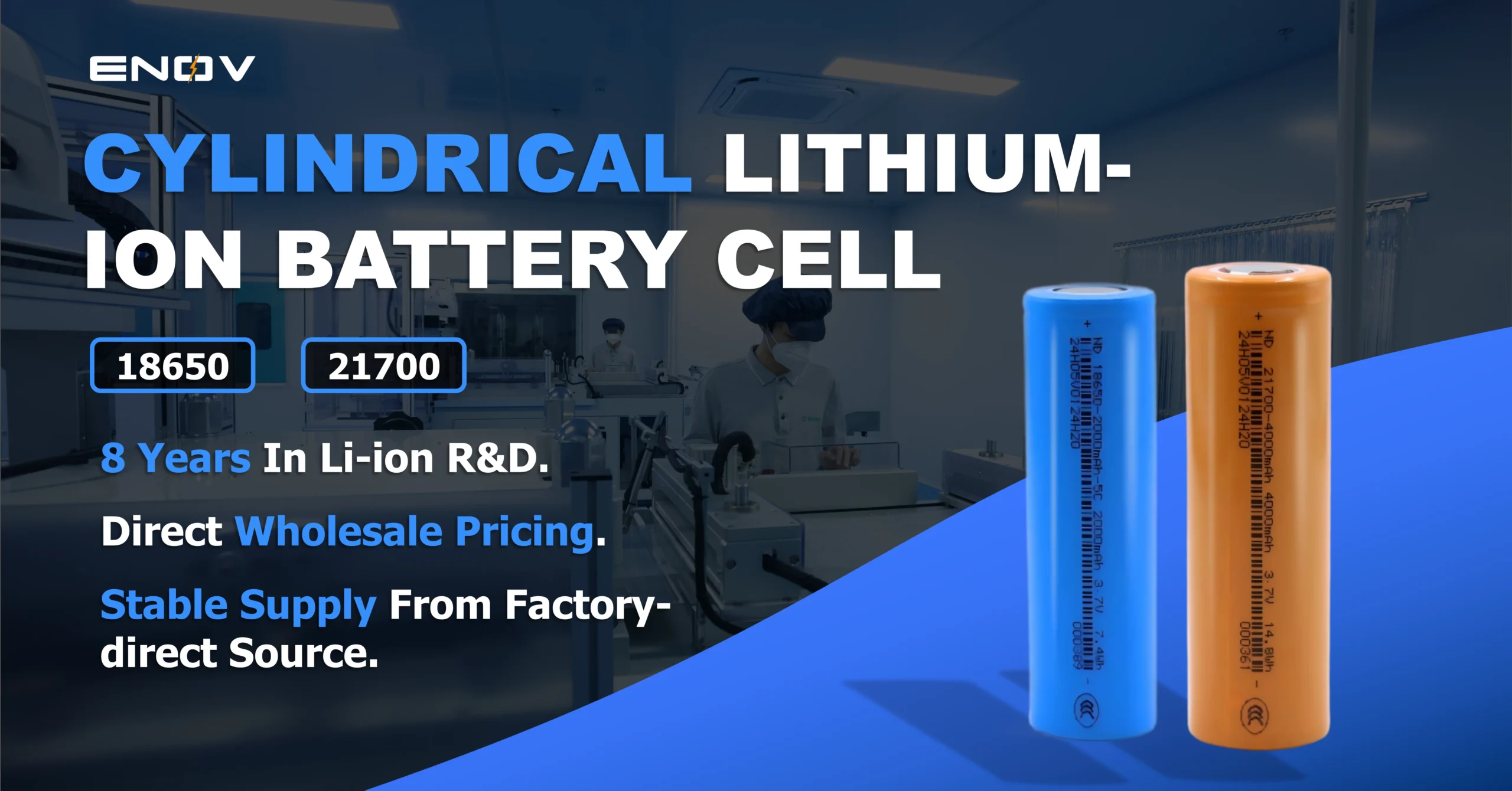
18650

● Appearance: Cylindrical

● Shell: Nickel-plated Steel Shell

● Weight ≈ 46g

● Diameter < 18.5mm

● Height ≤ 65.3mm

21700

● Appearance: Cylindrical

● Shell: Nickel-plated Steel Shell

● Weight ≈ 69.5g

● Diameter < 21.7±0.3mm

● Height ≤ 70.8mm

LiFePo4 Battery Cell (Lithium Iron Phosphate battery cell)

Lithium iron phosphate, featuring high safety, long lifespan, excellent cycling performance, and being the main focus for high-rate and wide-temperature application scenarios.

LCO Battery Cell (Lithium cobalt oxide battery cell)

Lithium cobalt oxide has a very high energy density and a stable discharge plateau. It is mainly used in consumer electronics and has applications in fields such as UAV.

NCM Battery Cell (Nickel Cobalt Manganese Oxide battery cell)

Nickel-cobalt-manganese ternary lithium, with high energy density, excellent rate and low-temperature performance, balanced performance and cost.

Quick inquiry

Drop us a line, and we’ll get back to you within 24 hours.

Name